Groom bans dad’s affair partner and his ‘sometimes family’ from wedding, ‘he feels it’s unfair.’
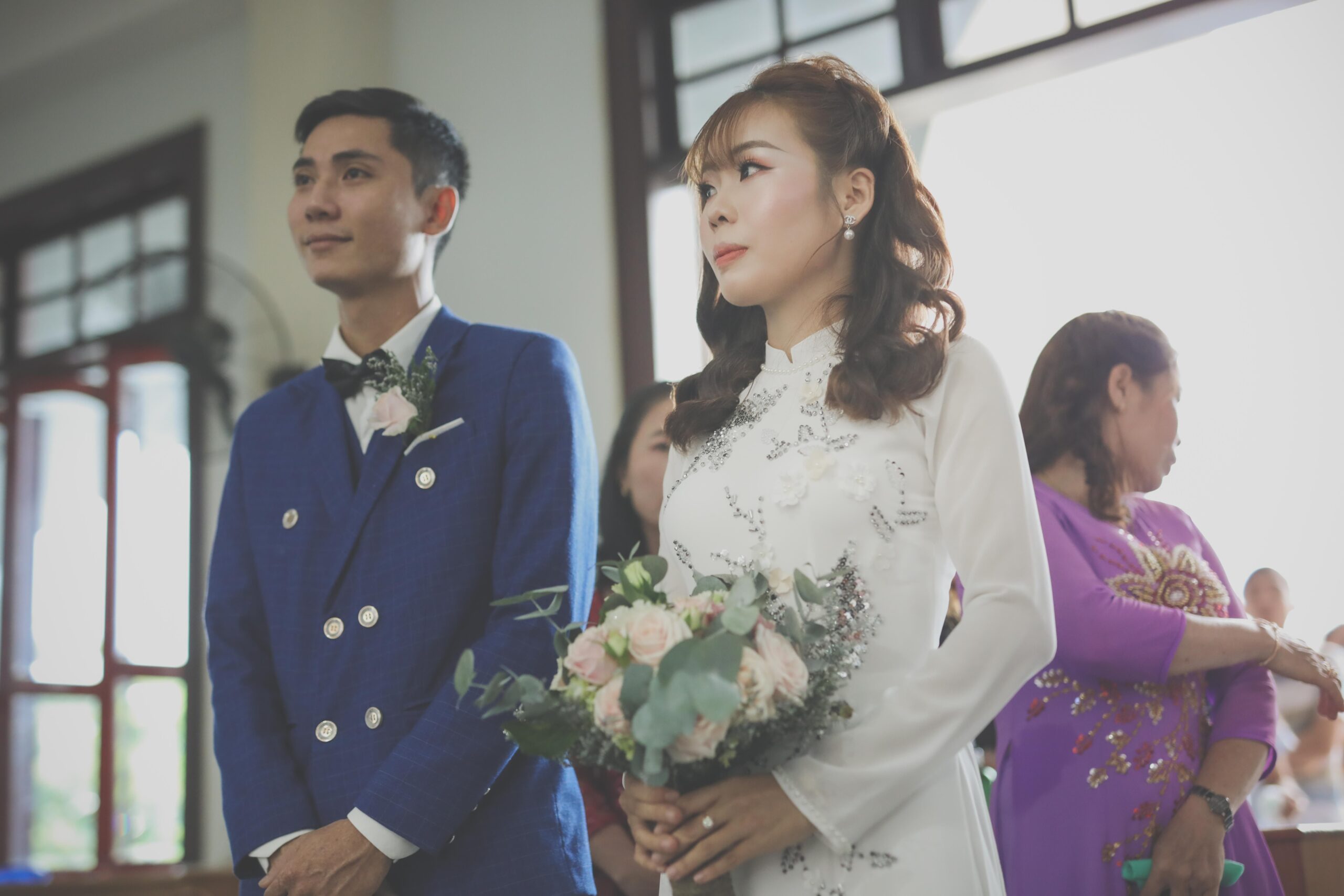
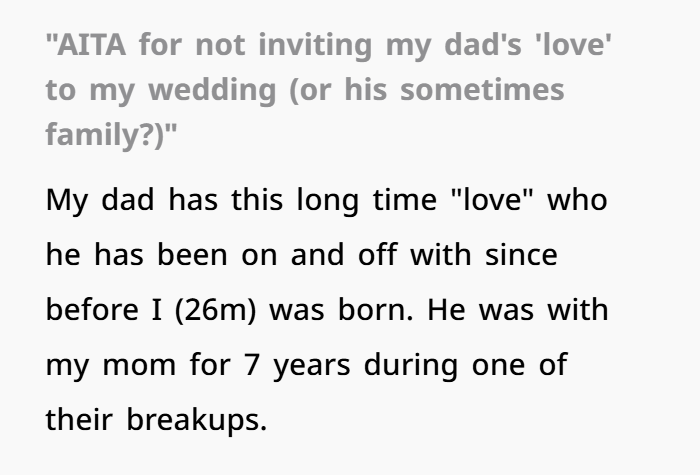
A 26-year-old man is dealing with a painful family disagreement after choosing not to invite his father’s longtime partner or her children to his wedding.
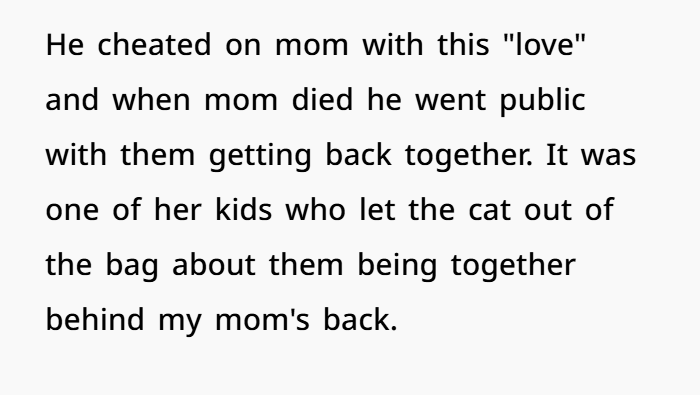
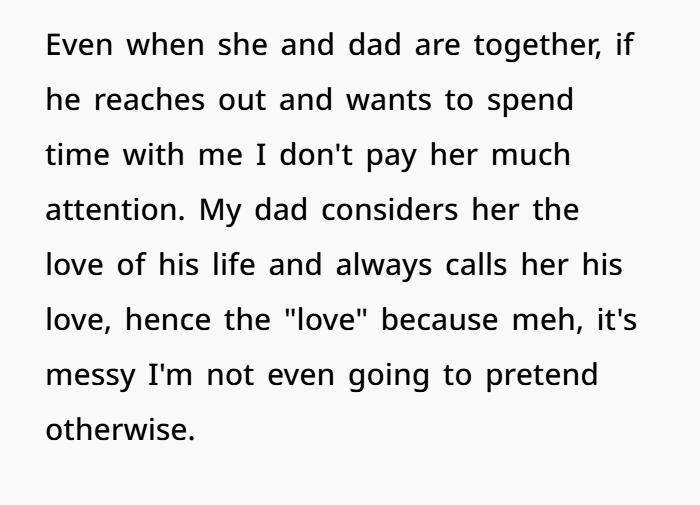
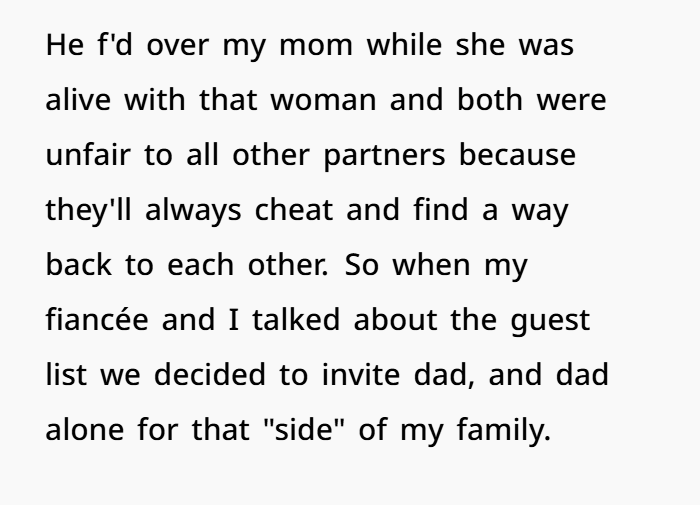
His father’s relationship with this woman goes back many years. It started while his father was still married to his mother, making the situation a difficult memory from his childhood. After his mother passed away, the relationship became public, but it was not the happy ending his father expected.


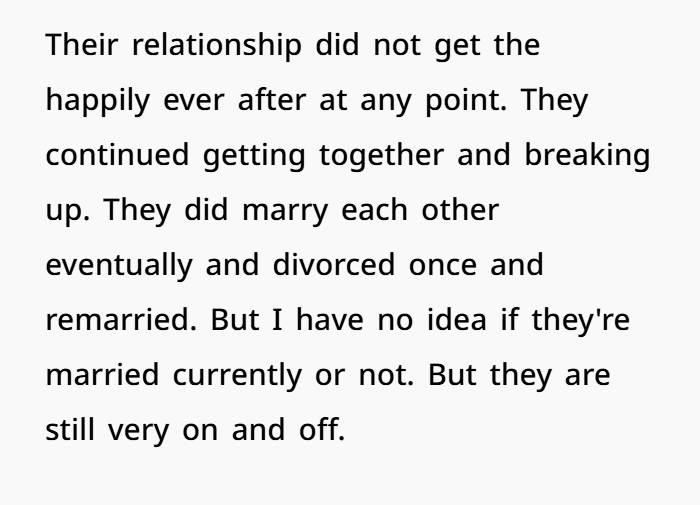
Over the years, the couple went through many ups and downs. They broke up, got back together, got married, divorced, and later married again. Through it all, the father continued to see her as the person he wanted to spend his life with.
But his son does not feel the same way.
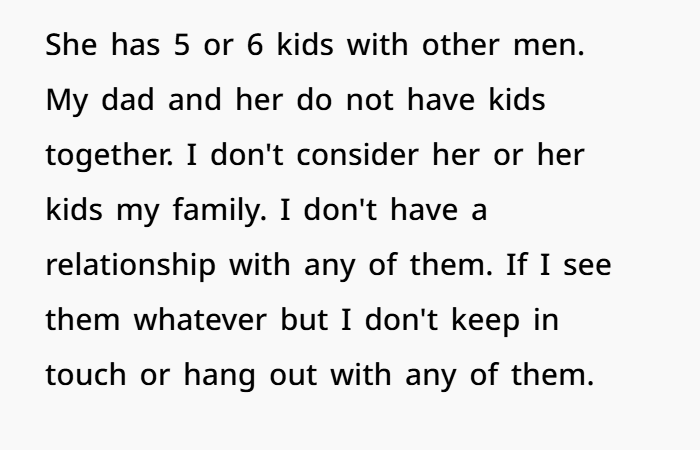
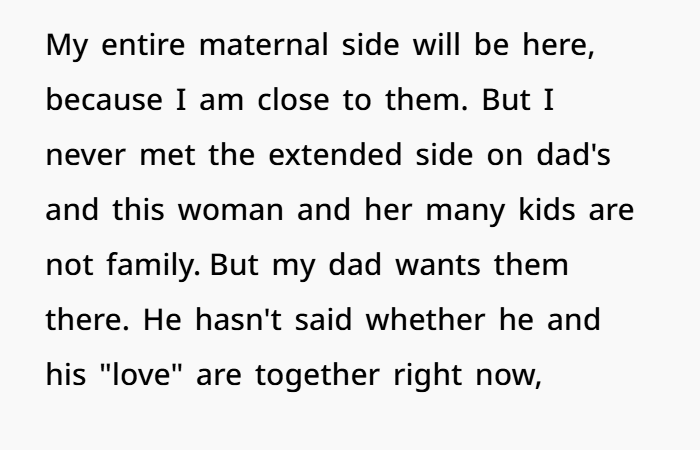
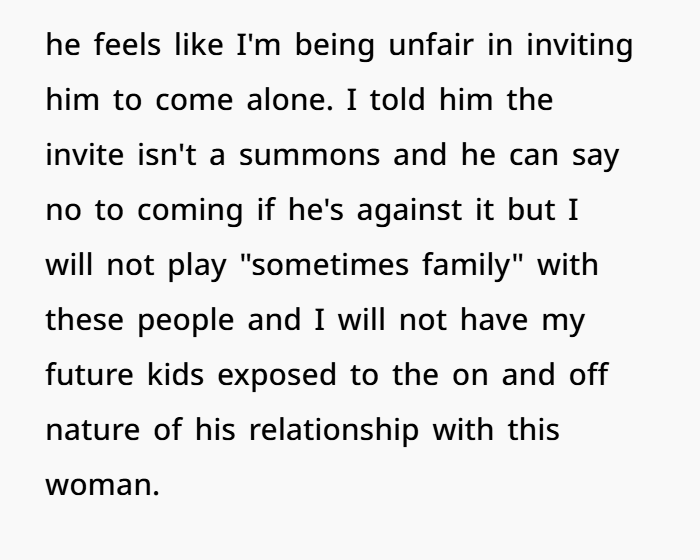
The groom says he has never built a close relationship with his father’s partner or her children. To him, they are not part of his family in the way his father sees them. Because of that, he decided his wedding guest list should only include people he truly shares a bond with.
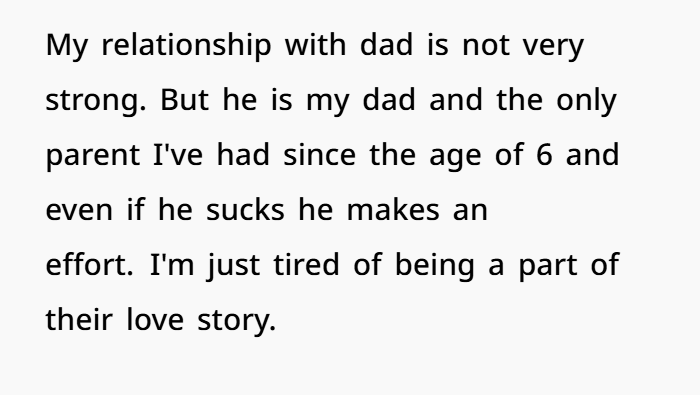
He still invited his father because he is his only living parent. However, he does not want to include people he has little connection with or people connected to painful memories from his childhood.
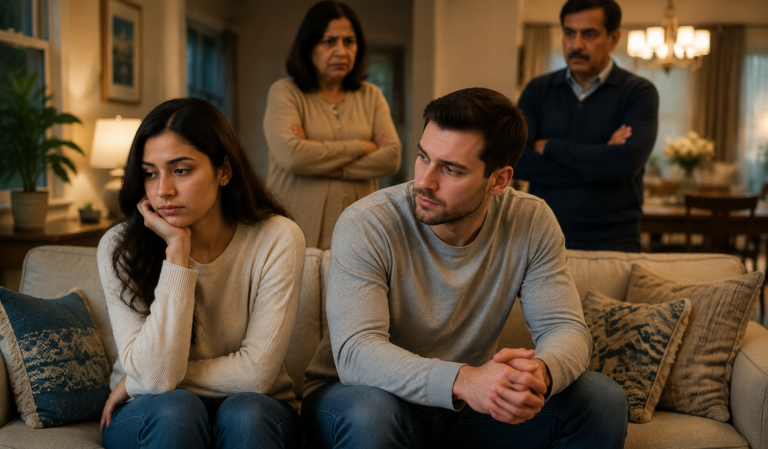
This choice has caused a lot of tension between the two men. The father feels hurt and believes leaving out his partner is disrespectful. He thinks that after so many years together, she should be accepted as part of the family.
The groom sees things differently. He believes his wedding should be about the people who have been part of his life and the relationships he has built himself. He does not want his special day to bring back the same family struggles and emotional stress he experienced while growing up.
The situation raises a difficult question: Should a parent’s partner automatically be included in important family events? Or should adult children have the right to set their own boundaries based on their personal experiences and the relationships they truly value?
more info on reddit
Weddings can stir up a lot of emotions because they are more than just parties. They mark a new chapter in life and show who belongs in your family. Family experts say that big events like weddings often bring old conflicts to the surface, especially when past betrayals or messy family histories are involved. Families are connected in ways that can affect emotions across generations.
In this case, the fight isn’t just about inviting one more person. It’s about what the invitation means. The father sees his partner as a permanent part of his life. The son, on the other hand, thinks of her as a reminder of family troubles, betrayal, and the pain he felt after his mother died. Studies show that children who see parental cheating or family conflict often carry emotional scars even into adulthood.
The father and son also have very different ideas of what “family” means. For the father, family comes from relationships: if someone is your life partner, they should be treated as family. For the son, family comes from emotional bonds: trust, shared experiences, and closeness over time. Both views make sense, but problems arise when one person expects the other to follow their idea without considering their feelings.
This kind of issue shows up a lot in blended families, stepfamilies, and after remarriages. Research shows that modern families are often complicated, with step-relatives and nontraditional connections. But even if someone is legally part of the family, it doesn’t mean emotional bonds exist automatically.
There’s also a difference between legal family status and personal boundaries. A parent’s spouse might have legal rights in some cases, like inheritance or medical decisions. But adult children get to decide who comes to their weddings. Invitations aren’t a legal obligation—they are a personal choice. Marriage law usually only covers rights between spouses, not who must be invited to private events.
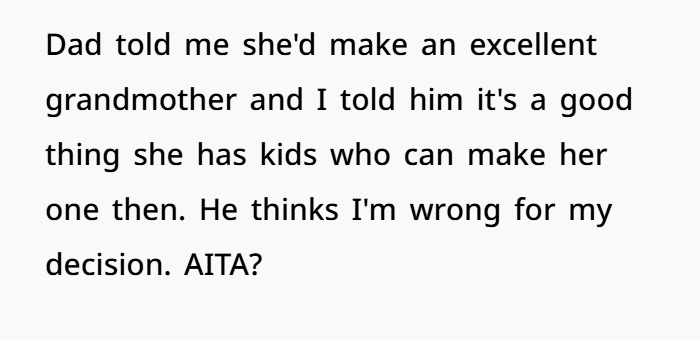
The father also mentioned that his partner could be a good grandmother someday. Experts say that meaningful family roles, like being a grandparent, come from time, trust, and involvement—not just biology or marriage. You can’t assume someone will automatically be close to children or grandchildren.
The bigger question is whether leaving someone out is punishment or just setting a boundary. If the goal is to shame or hurt someone, it could seem mean. But if the groom is simply protecting his emotional comfort and creating a stable day for his future family, it’s a healthy boundary.
In the end, weddings often make families face old problems. The father wants his relationship recognized. The son wants his wedding to reflect the family connections he values. This isn’t just about a guest list—it’s about how we define family: by marriage, history, emotional closeness, or personal choice.
Here’s what top commenters had to say about this one:
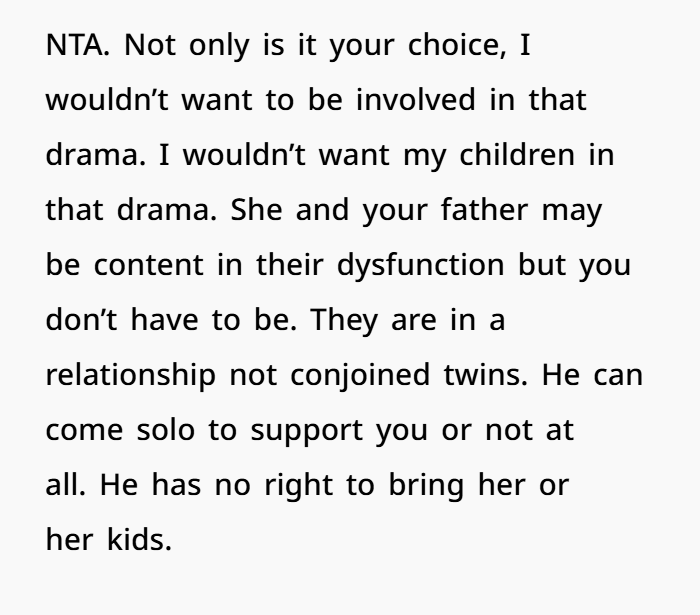
LouisV25 said:
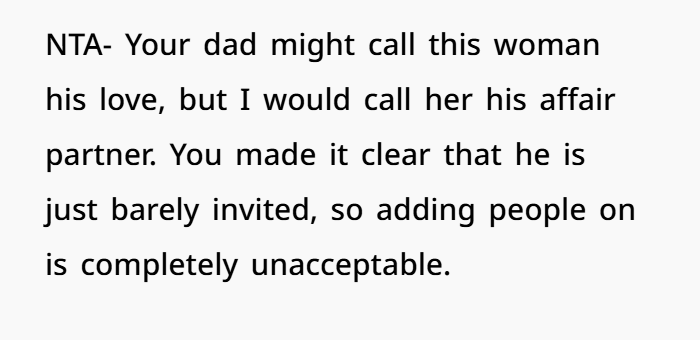
lostalldoubt86 said:
Danube_Kitty said: