Woman Finds Boyfriend Sleeping With an Adult Pacifier and Wonders How to Talk About It
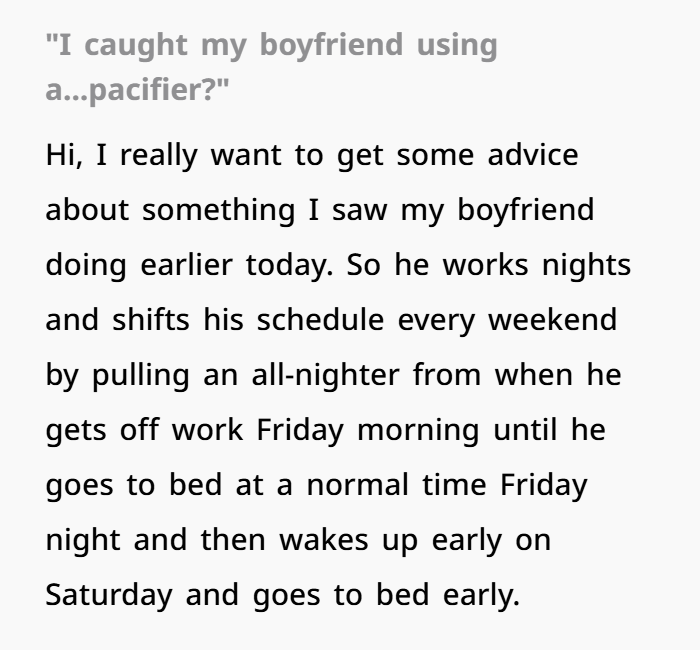
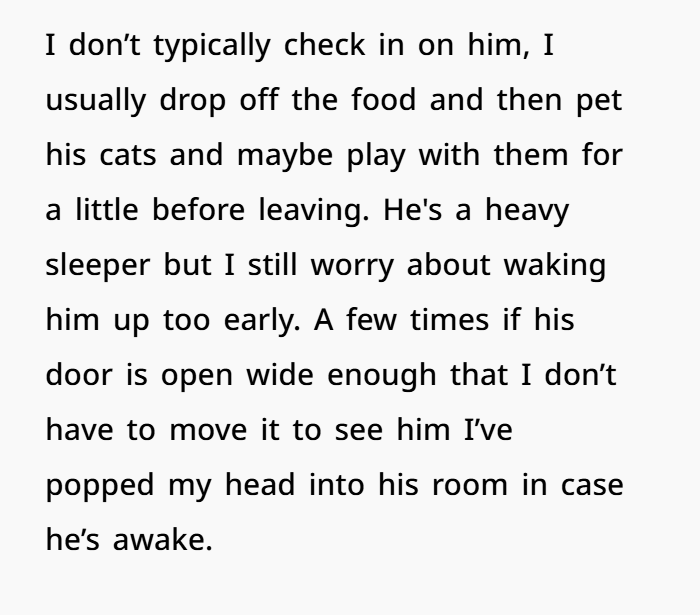
A 19-year-old woman was left feeling confused after discovering something unexpected about her boyfriend while visiting his apartment. She had stopped by while he was sleeping, as part of a caring routine she had built over time.
ADVERTISEMENT
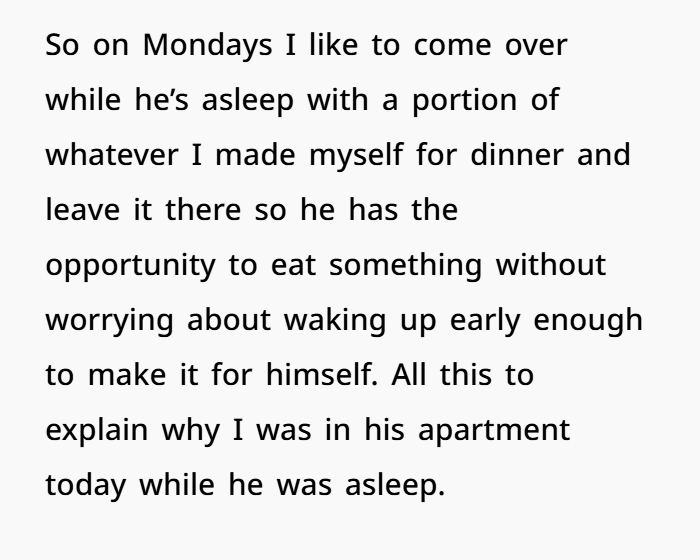
She often brought him homemade meals after his tiring night shifts. His changing work schedule made it hard for him to eat well and get enough rest, so she tried to support him in small ways.
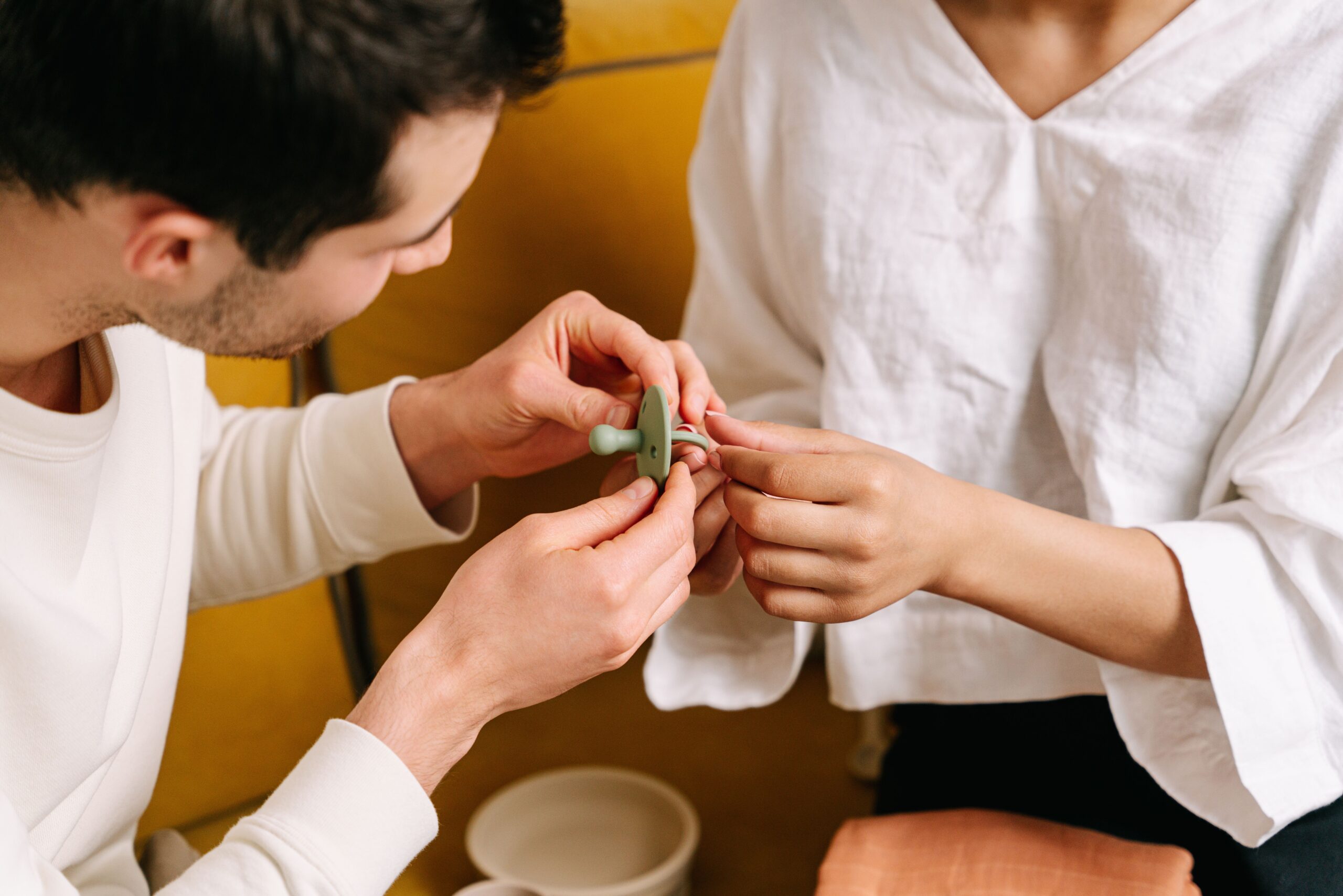
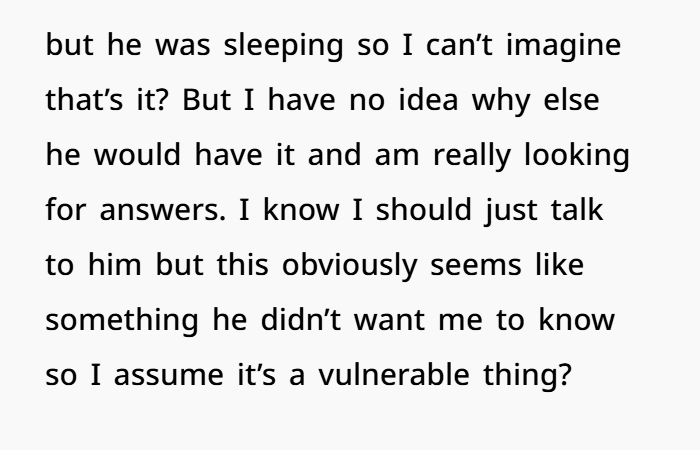
During one of these visits, she noticed something she had never seen before. Her boyfriend was asleep with what looked like an adult-sized pacifier attached to a breakaway necklace.
ADVERTISEMENT
The discovery did not make her angry or judgmental. Instead, she felt unsure and curious. Her biggest concern was not the pacifier itself, but what it might mean and why he had never talked about it with her.
She started wondering if it was connected to a private interest, a comfort habit, sensory needs, or something related to his autism and ADHD. It was also possible that it was simply something that helped him feel calm or comfortable.
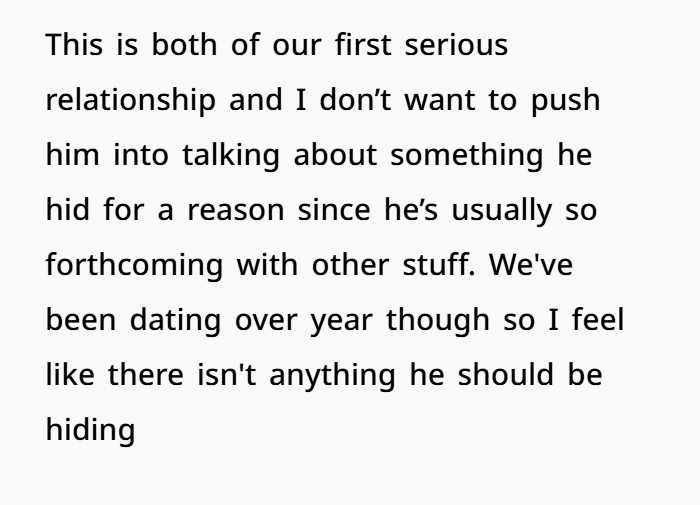
What confused her most was that her boyfriend had always been open about many parts of his life. She could not understand why this one thing had remained private.
ADVERTISEMENT
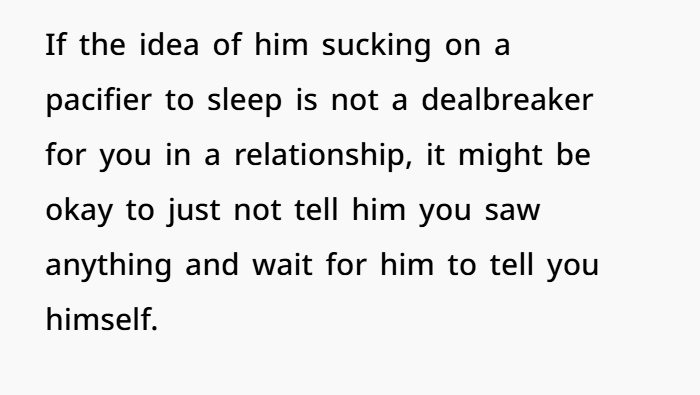
The situation became harder because she had found out while he was asleep. She felt like she had accidentally seen a side of him that he may have wanted to keep personal.
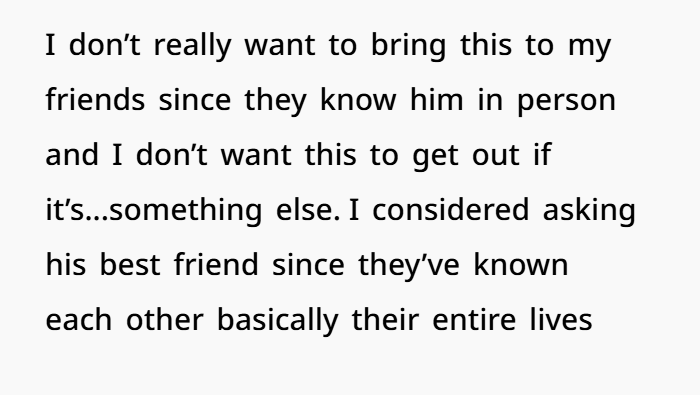
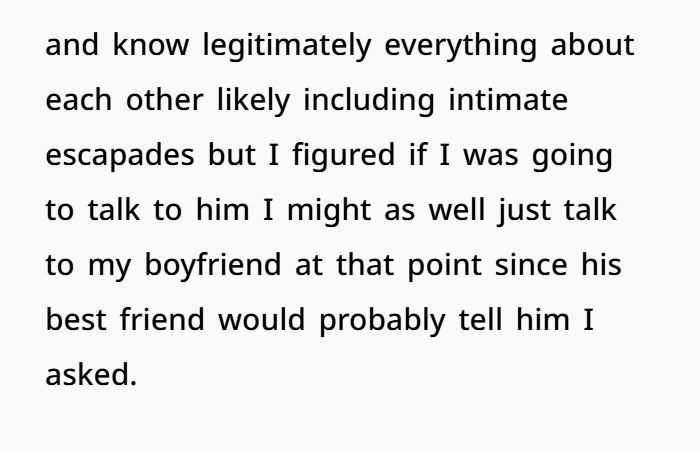
Instead of sharing the discovery with friends or making him feel embarrassed, she decided to ask for anonymous advice. She wanted to know how she could bring up the topic in a kind and respectful way.
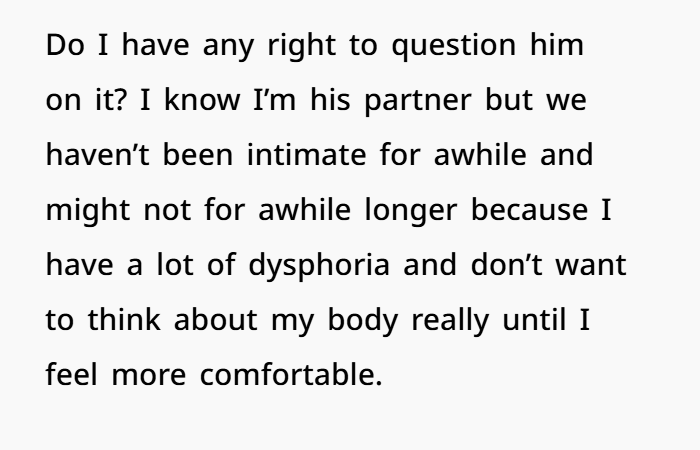
For her, the real issue was not the pacifier. It was about trust, privacy, and how couples handle personal habits or vulnerabilities that may feel unusual.
Many relationships face moments where one person discovers something unexpected about the other. The challenge is finding a way to talk about it with care, understanding, and respect.
Why Some Adults Use Pacifiers and What It Can Mean in a Relationship
Seeing a partner use a pacifier as an adult can feel surprising at first. Many people grow up thinking pacifiers are only for babies, so discovering an adult using one may lead to confusion or questions.
ADVERTISEMENT
But adult pacifier use can have many different reasons behind it. It does not automatically mean it is connected to sex or anything unusual. Jumping to conclusions can create unnecessary embarrassment and make someone feel judged.
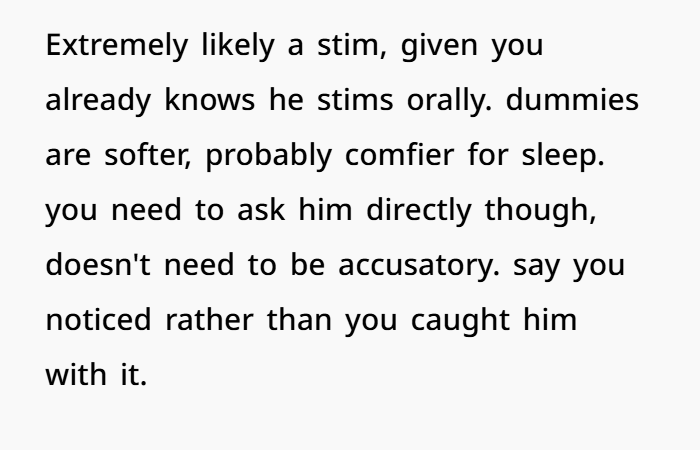
For some people, comfort items, sensory tools, and calming habits are part of how they manage stress or stay comfortable. This topic often comes up when discussing neurodiversity, including autism and ADHD, because some people experience the world through their senses in different ways.
Research on sensory processing shows that many autistic and ADHD individuals may have different reactions to sounds, textures, movements, or physical sensations. Some people use repeated actions like chewing, touching objects, rocking, or seeking certain textures to help themselves feel calm and focused.
These behaviors are often called stimming. According to the National Autistic Society, sensory behaviors can help some autistic people handle strong emotions, anxiety, stress, or uncomfortable sensations.
In this situation, the boyfriend’s previous use of adult sensory chew tools adds more context. Many adults use chewable necklaces and oral sensory products because they enjoy the calming feeling they provide.
A pacifier can offer a similar type of oral stimulation, especially during sleep. Since it is designed to stay in place for a longer time, some people may find it comforting or relaxing at night.
ADVERTISEMENT
Could It Be a Sensory Tool Instead of a Sexual Interest?
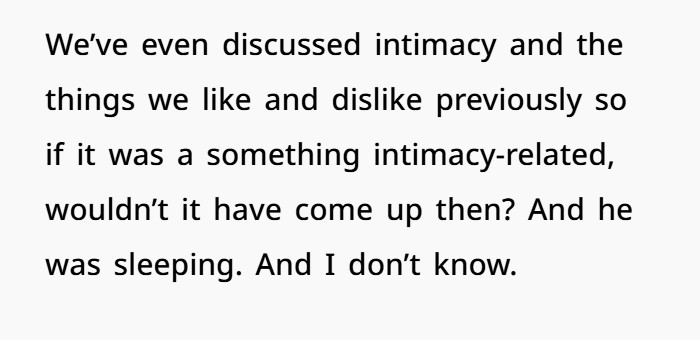
One common misunderstanding about adult pacifier use is assuming it must always have a sexual meaning. While some adults may use pacifiers as part of consensual role-play or personal preferences, that is only one possible reason.
Personal interests between consenting adults are not automatically a sign that something is wrong. A behavior usually becomes a concern only when it causes harm, creates serious problems in someone’s life, or involves someone who has not agreed to it.
The details in this story point to several possible explanations. The dragon-themed pacifier, the breakaway necklace, and his known interest in chewing-related sensory tools could mean the item has a personal or calming purpose.
For some people, certain sensations before sleep can work like other relaxing habits. A weighted blanket, calming music, a favorite pillow, or a familiar bedtime routine can all provide comfort. A sensory item may serve a similar role.
How Couples Can Handle Unexpected Discoveries
The girlfriend’s reaction makes sense because she found something private without meaning to. She was not searching for secrets, but she suddenly saw a personal side of her boyfriend that he may not have been ready to share.
ADVERTISEMENT
When something like this happens, curiosity is usually more helpful than criticism. People are often more willing to open up when they feel accepted instead of judged.
A conversation that starts with blame or assumptions may make someone shut down. Questions like “Why are you doing this?” or “Is this a fetish?” could make him feel embarrassed before he even gets a chance to explain.
A softer approach can create a safer space. She could say something like:
“I noticed something when I stopped by while you were sleeping. I saw the pacifier, and I wanted to ask about it because I care about understanding you. I’m not judging you. I just want to know what it means for you.”
This kind of conversation lets him decide how much he wants to share. It also shows that the discovery has not changed how she feels about him.
How Neurodiversity Can Affect Relationships
This story also brings attention to something many neurodivergent people experience: hiding harmless habits because they worry others will not understand.
ADVERTISEMENT
Adults with autism or ADHD sometimes hide behaviors that help them feel calm because they fear being seen as strange. This can happen even when those habits are healthy and helpful for them.
Research on autistic masking has shown that constantly hiding natural behaviors can be stressful and emotionally exhausting. Some people spend years trying to appear “normal” because they worry about how others will react.
For someone who already feels different, keeping a sensory habit private does not always mean they are being dishonest. Sometimes it simply means they are afraid of being misunderstood.
The Real Issue Is Trust and Understanding
The pacifier itself is not the biggest part of this situation. The more important question is how the couple chooses to respond.
Adult pacifier use can have many possible explanations, including sensory comfort, anxiety management, sleep routines, or personal preferences. None of these automatically mean there is a problem.
ADVERTISEMENT
The best next step is a calm and private conversation based on kindness instead of judgment. If he explains that it helps with sensory needs, she can learn more about an important part of his life.
If it turns out to be a private interest, an honest discussion can help them understand each other’s boundaries and feelings.
In the end, strong relationships are built on trust. Feeling safe enough to share personal parts of yourself matters much more than the object itself.