‘My girlfriend wants to bring a stranger’s children books on our flight. I told her it’s a bad idea.’
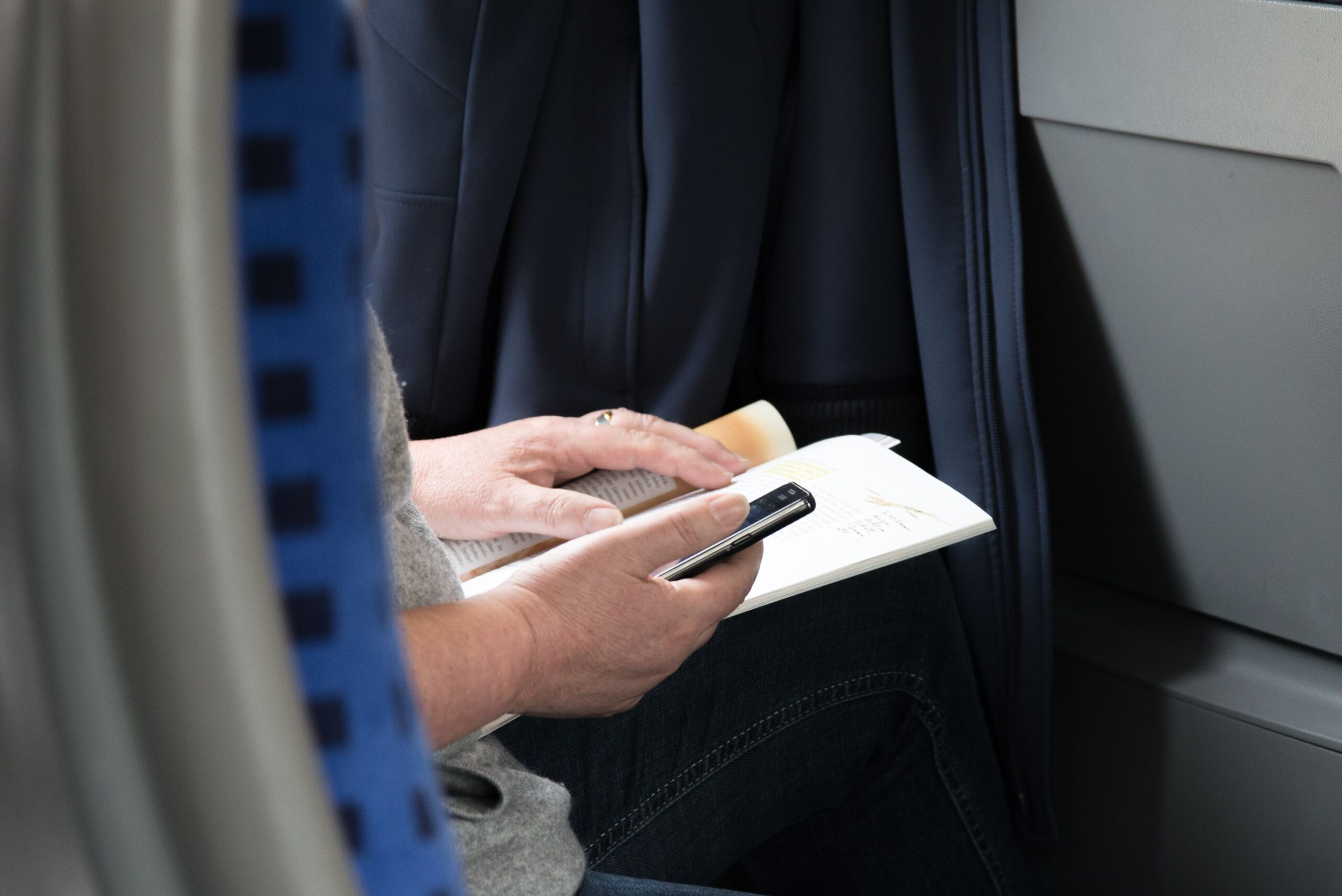
A couple planning an international flight from Spain to Scandinavia ended up in a tense argument after a kind gesture turned into a travel safety concern.
The girlfriend wanted to help someone from an expatriate community. A stranger’s niece had accidentally left behind a children’s book, and she offered to take it with her on the flight and return it. To her, it was just a simple favor and a nice way to help someone out.


Her boyfriend saw the situation very differently. He worried that carrying an item from someone they didn’t know could create problems during international travel. He refused to touch the book or let it be placed with his belongings because he felt the risk was not worth it.
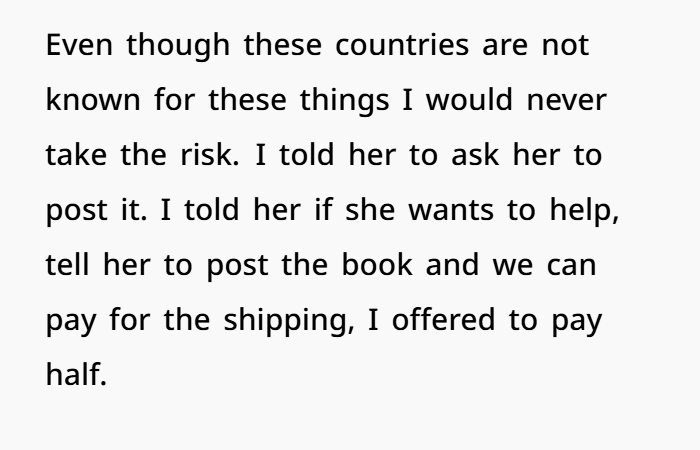
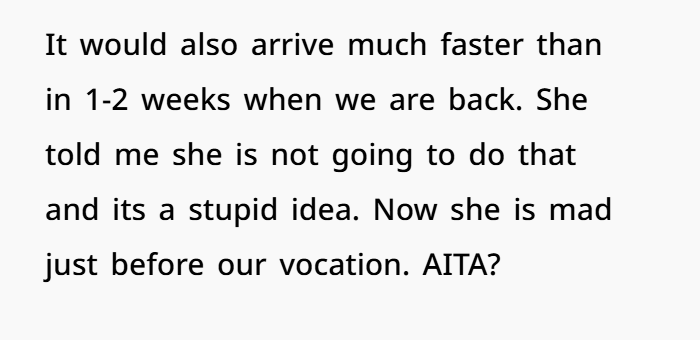
He suggested that the owner should send the book through a shipping service instead. He even offered to help pay for the shipping cost. But his girlfriend felt he was overreacting and being too suspicious about an innocent request.
The disagreement grew bigger when the boyfriend looked into cases where illegal items had been hidden inside normal objects, including books. He shared what he found with her and explained why he was uncomfortable carrying something they had not packed themselves.
In the end, she agreed not to bring the book on the flight. Still, she felt disappointed that safety concerns could make a small act of kindness feel complicated.
The situation became a reminder that traveling across borders often requires a balance between helping others and protecting yourself. A simple favor can sometimes come with unexpected questions about responsibility and security.
more info on reddit
“My girlfriend wants to bring a total strangers children books on our flight back, I tell her it’s a very bad idea and wont touch the book, she calls me heartless and paranoid. AITA?”
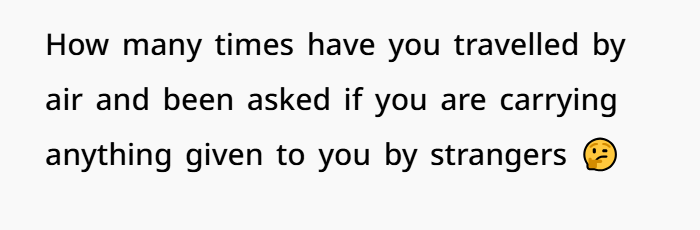
Kindness and caution often come into conflict during international travel. Many people want to help others, especially when the request seems simple and harmless. But travel security experts and government agencies regularly warn passengers not to carry packages, gifts, or personal items for people they do not personally know.
The reason is simple: travelers are responsible for what they carry. Even if someone says they did not know what was inside their luggage, they could still face serious problems if authorities discover illegal items.
International airports follow strict customs rules and border security laws to prevent smuggling. Agencies like U.S. Customs and Border Protection (CBP) and other customs authorities around the world advise travelers to avoid accepting items from strangers because criminals can take advantage of helpful people.
One major concern is the way illegal substances can be hidden inside normal objects. Smugglers have used books, clothes, electronics, toys, and gifts to hide prohibited items because these things may not look suspicious at first.
Law enforcement agencies have found cases where drugs were placed inside book covers, hidden between pages, or packed inside altered containers. These examples show how criminals sometimes depend on innocent travelers to move items without realizing the danger.
The legal side of these situations can also be complicated. In many countries, simply having an illegal substance in your possession can lead to serious consequences, even if you say you did not know about it. Depending on the situation and the country, a person could face an investigation, fines, travel problems, or even jail time.
Air travel security follows a similar idea. Organizations like the International Air Transport Association encourage passengers to stay in control of their own belongings from start to finish. Taking an item from someone else means trusting something you have not checked yourself.
There have been cases where travelers got caught in difficult legal situations after carrying items for other people. Some were investigated for long periods after authorities found banned substances in their luggage. Even when people were later cleared, the stress, money, and emotional pressure caused by the situation could be huge.
The disagreement also shows how people think about risk in different ways. Some people naturally focus on trust, kindness, and helping others. Others are more careful and think about what could go wrong. Neither mindset is always right or wrong, but problems can happen when both views involve shared responsibility.
The girlfriend’s reaction came from a good place. Many people use online groups, community networks, and expat communities to help each other with small favors. These connections can create kindness between strangers, but security experts say it is still important to be careful when international borders are involved.
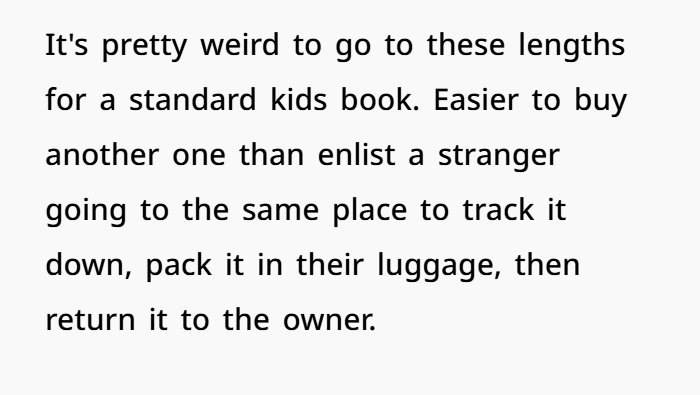
A safer option in this situation would be shipping the book directly to its owner. Delivery companies provide tracking, customs paperwork, and a clear record of who is responsible for the item. While shipping may cost some money, it removes the risk for someone who is simply trying to travel.
In the end, the argument was never really just about a children’s book. It was about finding a balance between being kind and being careful. Helping others is a good thing, but smart travelers know they should not take responsibility for items they cannot fully check or understand.
Here’s what people had to say to OP:
Tonilu_ wrote:
flindersandtrim wrote:
No_North6899 wrote: