‘My special ‘daddy’ passed away and his wife won’t leave me alone…’

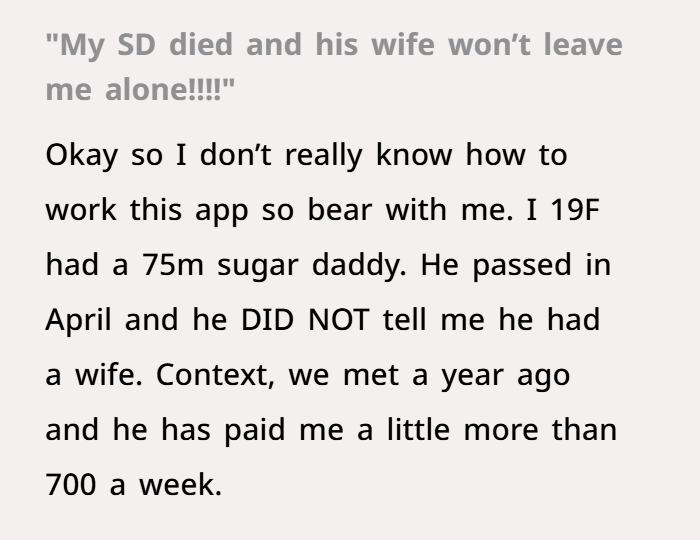
A 19-year-old woman has shared a troubling story about the sudden death of her 75-year-old sugar daddy and the strange events that followed. She said their relationship became the reason behind an alleged harassment campaign that left her feeling scared and confused.
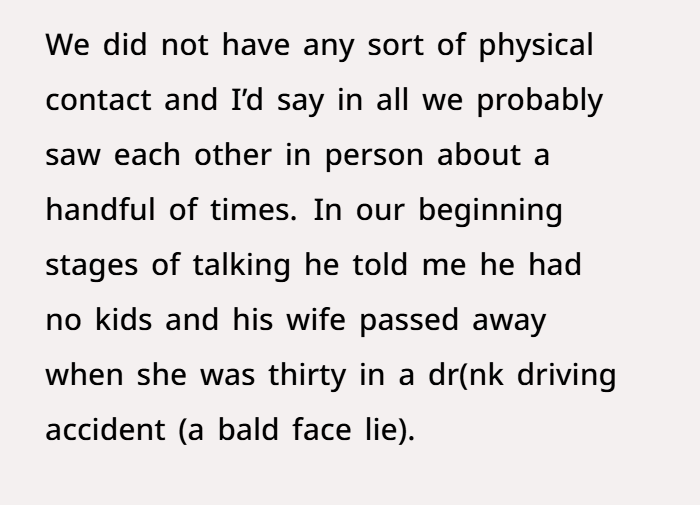
The woman explained that she had known the man for about a year. During that time, he gave her regular financial support of more than $700 a week. She said their relationship was not sexual and was mostly built around companionship, emotional support, and long conversations.


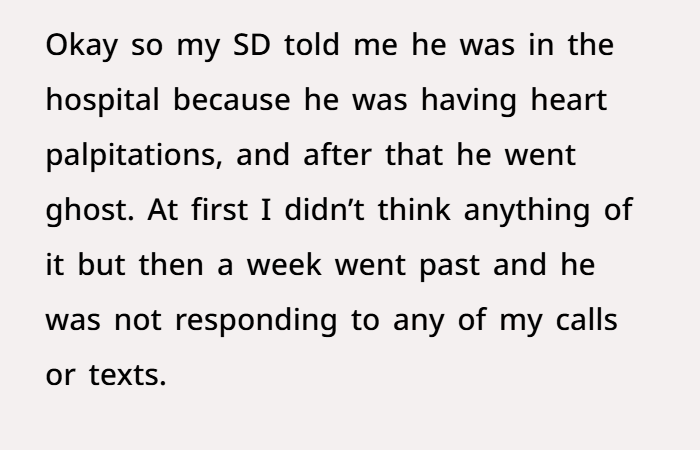
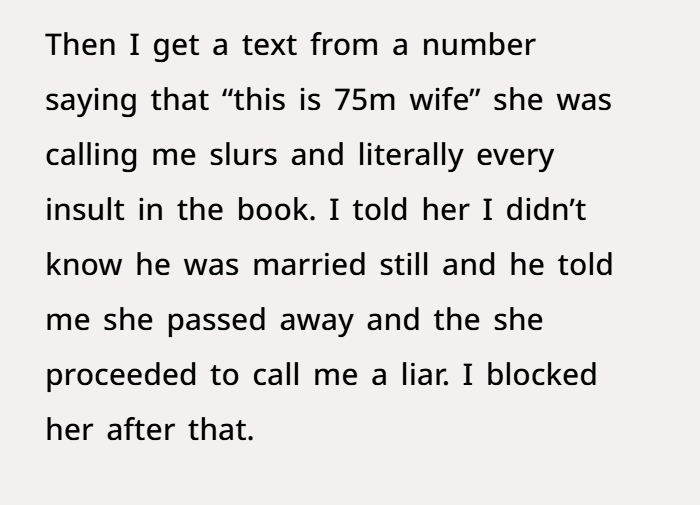
Things took a sudden turn when the man was hospitalized because of heart problems. After that, he stopped replying to her messages. Soon after, she said she received messages from someone claiming to be his wife.
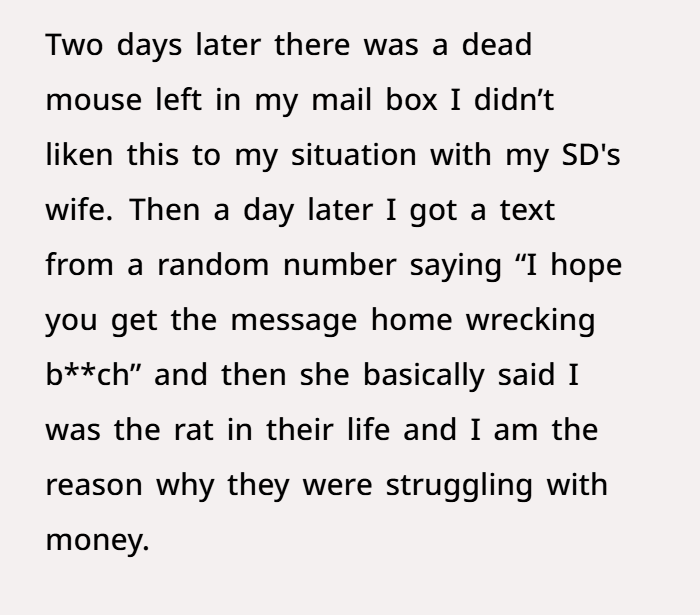
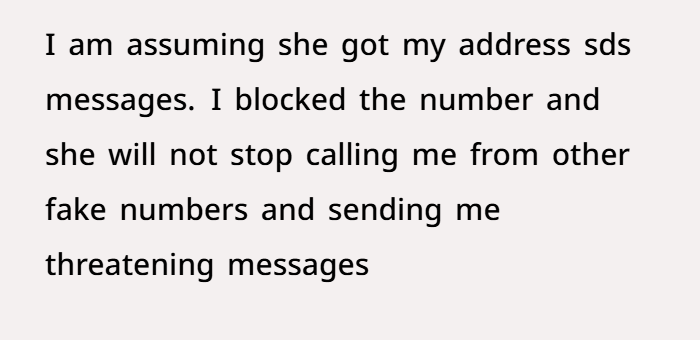
According to the woman, the person accused her of causing problems in their marriage and sent angry messages filled with insults. She blocked the number, but she claimed the harassment did not stop. She said more messages came from different phone numbers, including threats and suspicious activity around her home.
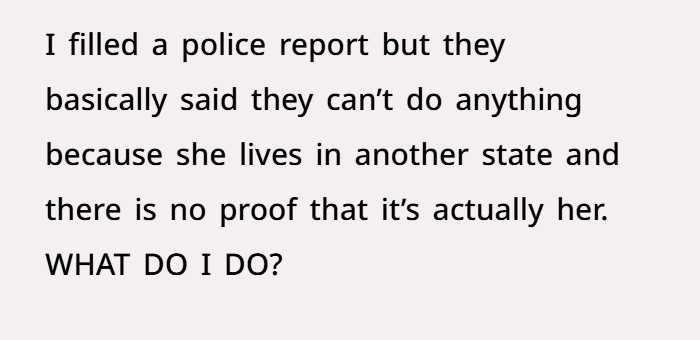
The woman reported the situation to police. However, she said officers were unable to take action because the person behind the messages was believed to live in another state, and there was not enough proof to confirm who was sending them.
After people online suggested looking deeper into the man’s past, the woman decided to investigate. She contacted one of his relatives to learn more about his background.
The information she received reportedly showed a different side of the story. She was told that the couple had divorced years earlier, had a history of disagreements, and that the woman claiming to be his wife had allegedly faced past accusations involving stalking and abusive behavior.
Learning this changed the way the 19-year-old viewed the situation. She began wondering why the man may have kept parts of his past hidden from her. At the same time, she said she was still grieving because she had lost someone who had given her both emotional support and financial help.
more info on reddit
Relationships where one person provides money or financial support to another have become more common and visible online. These arrangements are often called sugar dating and can include gifts, weekly allowances, advice, companionship, or other types of help.
Some of these relationships are open and agreed upon by both people. But they can become complicated when someone hides important details, has other relationships at the same time, or when one person becomes financially dependent on the other.
Research on financial-based relationships shows that money and emotions can become closely connected. When financial support, companionship, and personal expectations mix together, misunderstandings can easily happen.
Unlike traditional relationships, sugar arrangements may not always have clear rules or boundaries. This can make situations harder to handle if someone passes away, disappears, or if hidden parts of their life come to light.
Financial support between two people can also create legal concerns. Questions may come up about gifts, inheritance, estate matters, or claims of financial abuse. In many places, money freely given during someone’s lifetime is usually treated as a gift unless there is proof of fraud, pressure, or a legal agreement.
Harassment, Cyberstalking, and Online Abuse Concerns
The actions described in the story — repeated unwanted messages, threats, contacting someone from different phone numbers, and using personal details to scare someone — are similar to behaviors often linked with cyberstalking and online harassment.
The National Institute of Justice explains that stalking can include repeated unwanted contact, monitoring, threats, or actions that make someone fear for their safety. Today, technology has made these behaviors easier because people can use fake accounts, hidden numbers, and online platforms to continue contacting someone after being blocked.
Many U.S. states have laws against cyberstalking and harassment. Federal law, including 18 U.S.C. § 2261A, covers certain cases where repeated electronic communication is used to harass, intimidate, or cause serious emotional harm.
However, these cases are often difficult to prove. Police usually need evidence that connects a specific person to the messages or threats.
Important evidence may include:
- Phone records and account details
- Screenshots of threatening messages
- Proof linking online accounts to a person
- Security camera recordings
- Statements from witnesses
- A clear pattern showing repeated incidents
This is one reason some people facing online harassment say they struggle to get quick help, especially when the person causing the problem lives in another state.
Why Saving Evidence Matters in Harassment Cases
When someone receives repeated threats or unwanted contact, experts often suggest saving the evidence instead of deleting it. Keeping a record can become important if the situation gets worse or legal action becomes necessary.
Helpful steps can include:
- Saving text messages, emails, and voicemails
- Writing down dates and times of each incident
- Taking screenshots that show important details
- Setting up security cameras if needed
- Reporting each incident to create an official record
Depending on local laws, victims may also be able to request legal protection, such as restraining orders or harassment protection orders.
The National Domestic Violence Hotline also recommends keeping records of threatening behavior because documentation can help people create safety plans and explain their concerns to authorities.
Hidden Marriages, Divorce Records, and Checking Someone’s Background
Another major issue in the story is the claim that the man may not have been honest about his marital status. Situations involving hidden marriages, secret relationships, or false personal information can happen, especially when people meet online.
Public records can sometimes help people confirm important details about someone’s life. Marriage records, divorce documents, property records, and court files may provide information about a person’s background.
State court websites and county clerk offices are often used for checking public records. However, people should be careful when relying only on information shared by relatives or found through social media.
Family members may have their own experiences and opinions that affect how they describe someone. Claims involving abuse, addiction, or criminal behavior should be checked through reliable sources and official records before being accepted as fact.
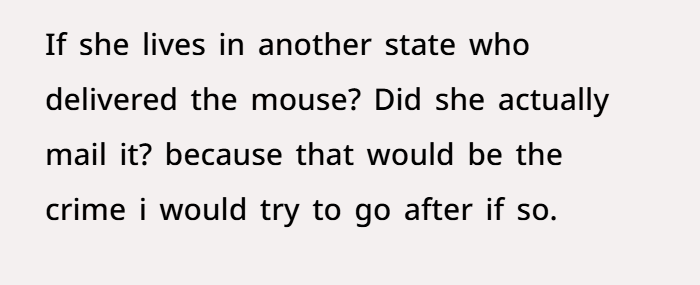
Here’s what people had to say to OP:

aprilonwards wrote:
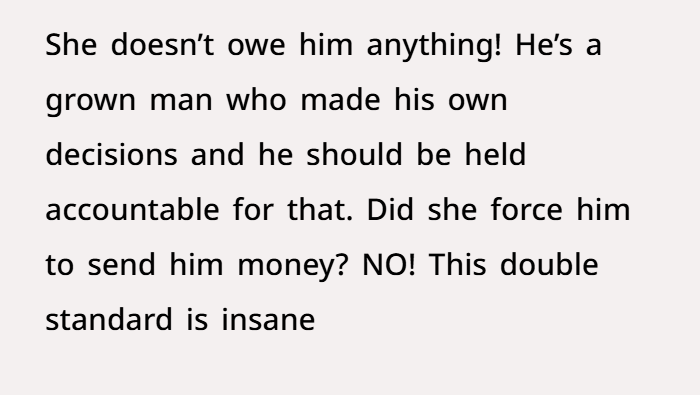
aarons6 wrote: