‘AITA for refusing to leave my apartment while my roommate has a guest?’
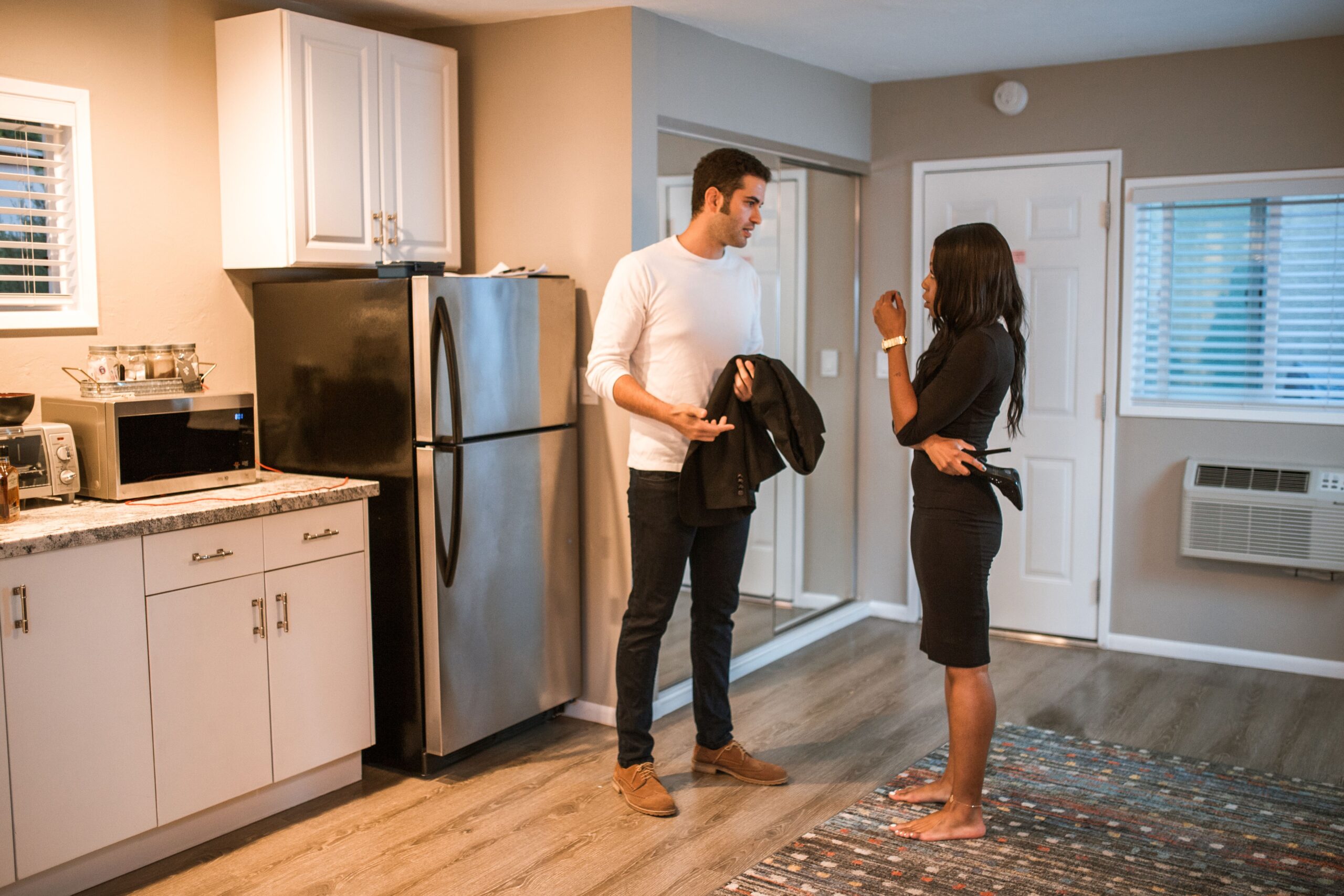
A peaceful roommate situation that lasted for four years started to break down when one tenant expected the other to leave their shared apartment for a short time because her partner was coming to visit.
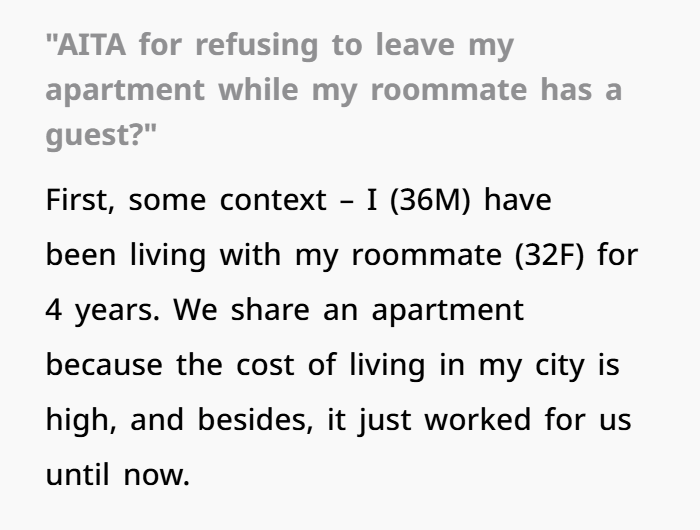
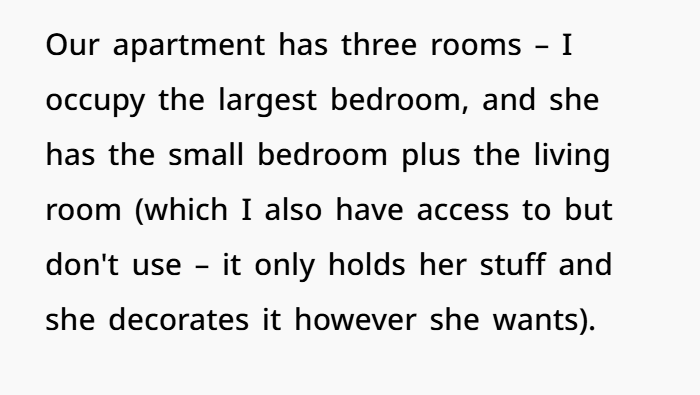
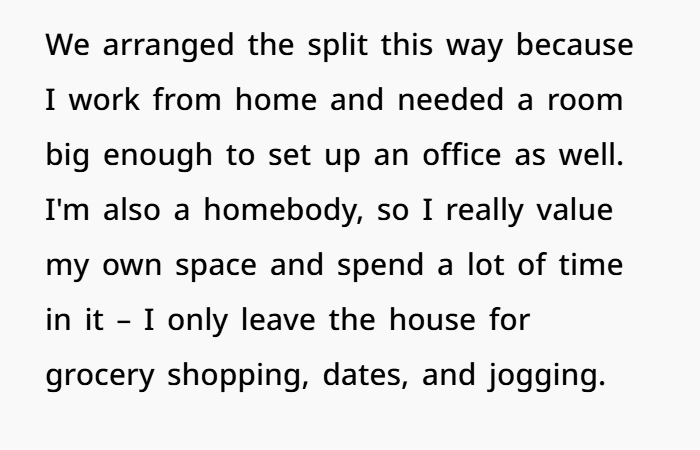
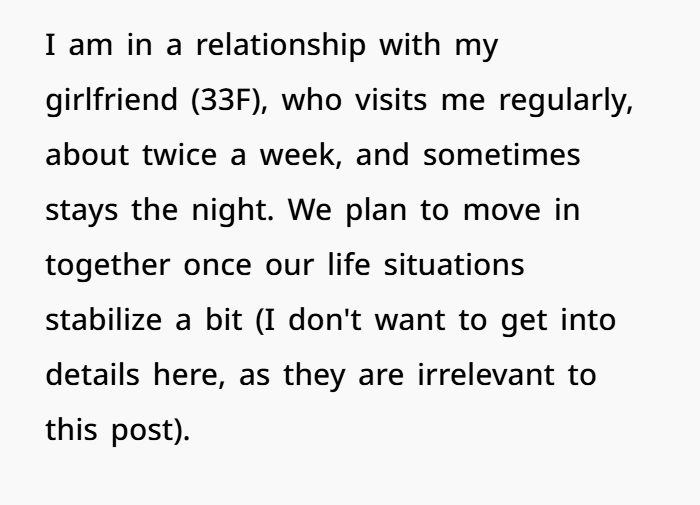
The 36-year-old tenant said he and his 32-year-old roommate had created a simple arrangement that worked well for both of them. He paid half of the rent and used the larger bedroom because he worked from home. His room was both his personal space and his home office.


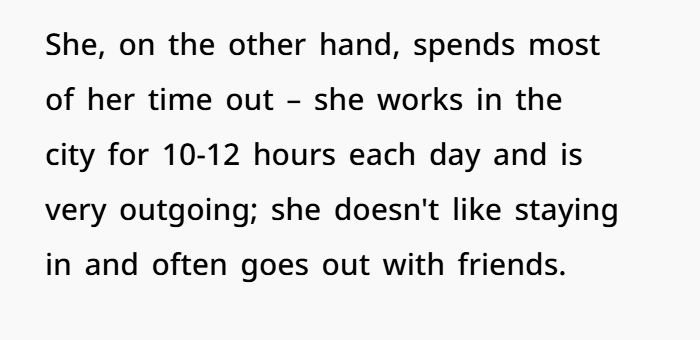
His roommate had her own bedroom and mostly used the shared living room area. For years, both of them seemed comfortable with this setup.
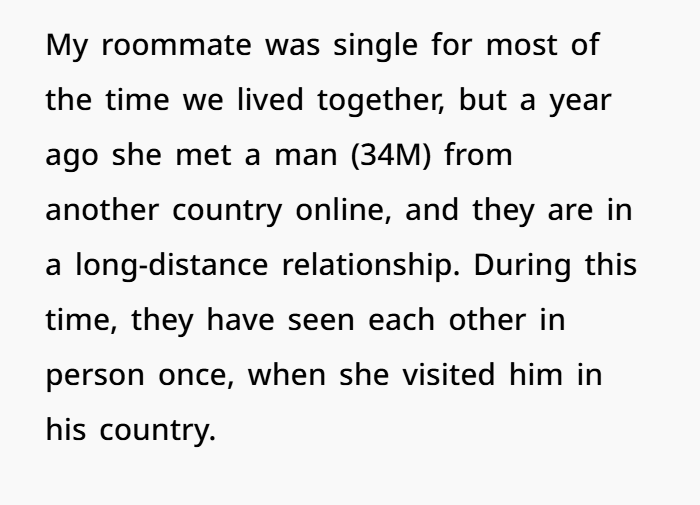
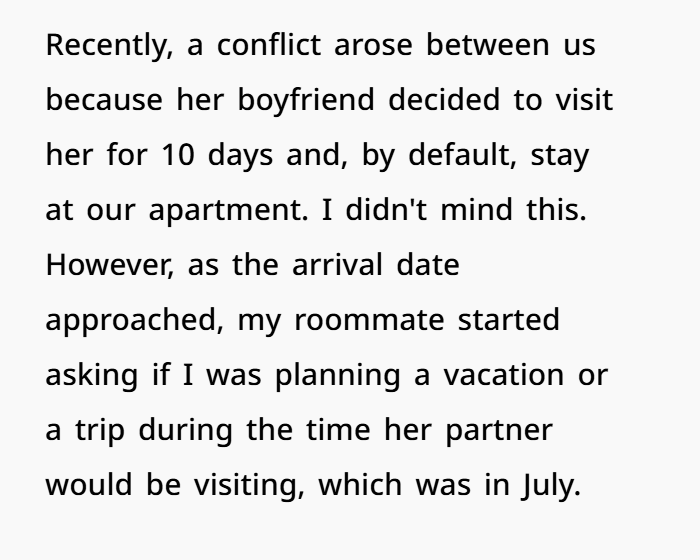
The problem started when the roommate’s long-distance boyfriend planned a 10-day visit from another country. The tenant said he had no problem with the boyfriend staying in the apartment.
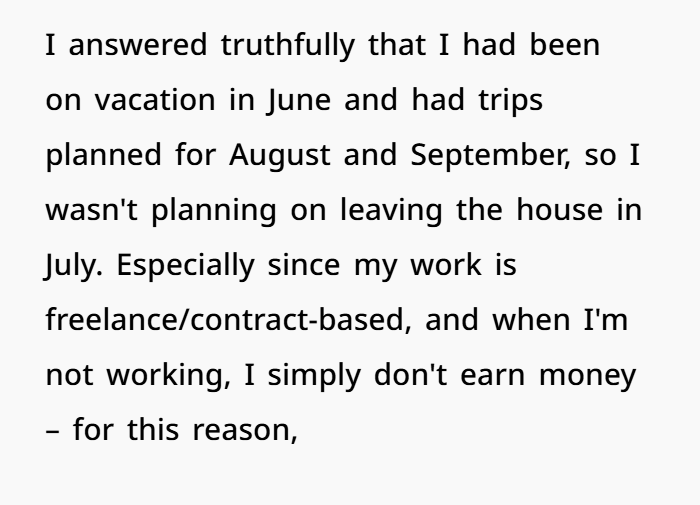
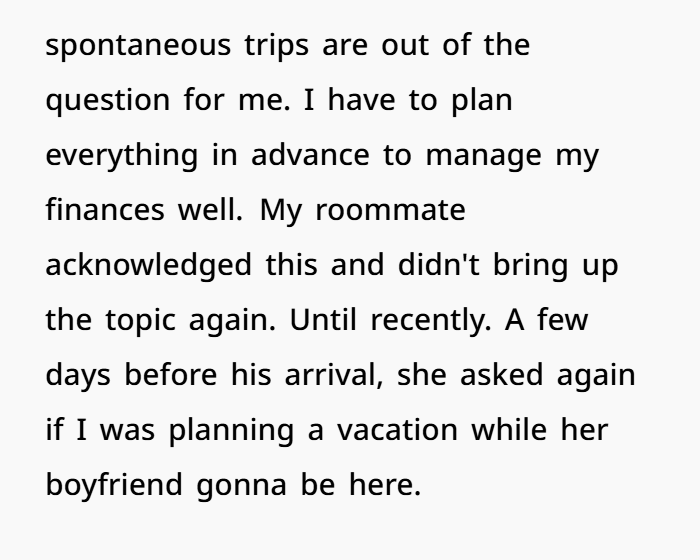
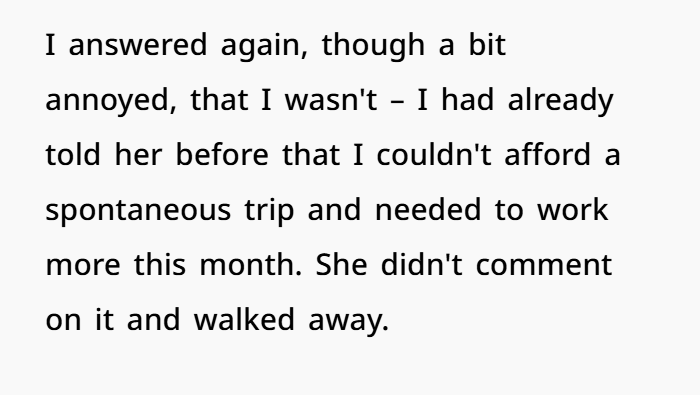
However, his roommate kept asking if he could leave town while her boyfriend was visiting. He explained that he did not have any vacation plans and could not afford to take an unexpected trip because of his freelance work.
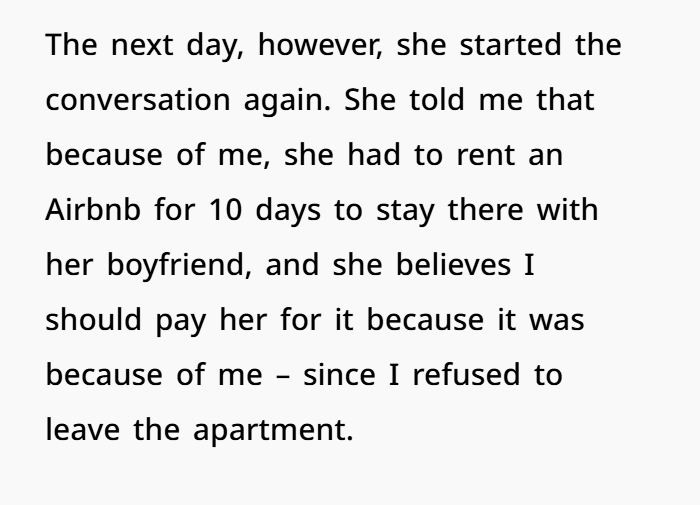
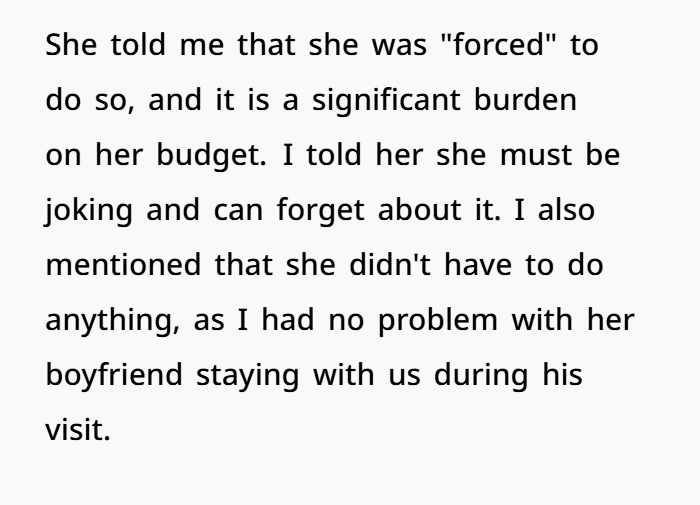
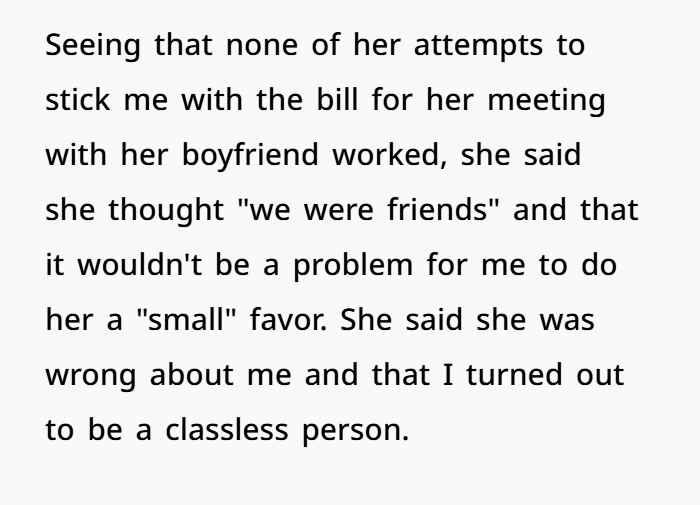
After realizing he would not be leaving, the roommate decided to book an Airbnb instead. Later, she asked him to pay her back for the cost, saying that his choice to stay in the apartment forced her to spend extra money.
The disagreement did not stop there. The roommate also brought up other concerns, including whether the tenant’s girlfriend should help pay rent because she sometimes stayed overnight.
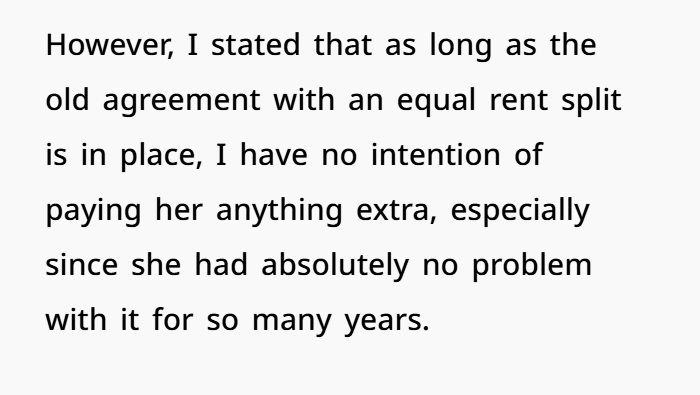
She also questioned if he should pay more since he had the larger bedroom. But these concerns had never come up during earlier lease renewals, and both roommates had always agreed to split the rent equally.
The situation shows how shared housing can become complicated when expectations are not clearly discussed. Issues like roommate agreements, guest rules, personal space, and money can quickly create tension when two people have different ideas about what feels fair.
more info on reddit
Shared housing problems often start when simple roommate agreements are tested by big changes. A new relationship, a long-term guest, or money concerns can quickly create tension between people who once lived together peacefully.
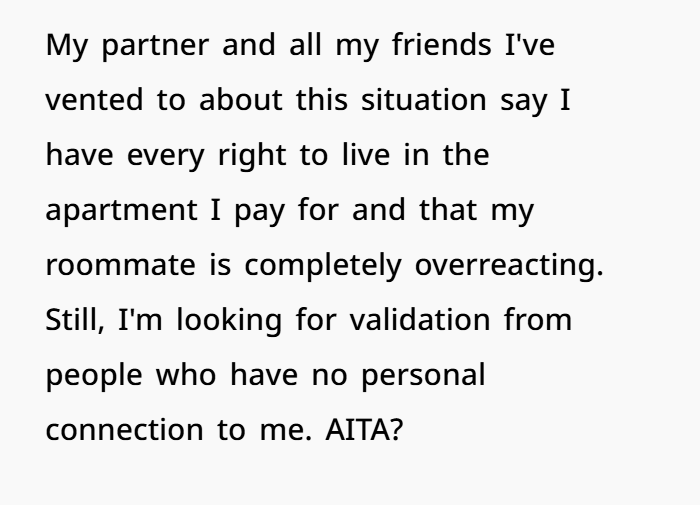
In this case, the main issue is not just about a boyfriend coming to visit. The bigger question is whether one roommate can ask another paying tenant to leave their own home or make them pay for a choice they made themselves.
1. Can a Tenant Be Forced to Leave Their Own Home?
In many places, tenants have the right to live in and enjoy the home they are paying for. This is often called the right to “quiet enjoyment.” It means a person renting a home should be able to use their space without unfair pressure or interference.
Housing rules and rental agreements usually protect a tenant’s ability to stay in their rented home as long as they follow the lease. A roommate normally cannot force another tenant to leave for a few days just because they want more privacy with a guest.
Of course, wanting private time with a long-distance partner is understandable. A 10-day visit is a big event, and it is normal for someone to want extra comfort during that time.
But wanting privacy does not automatically give someone the right to remove another tenant from the home. A guest visit is something roommates need to discuss and agree on. It is not usually a reason for one person to give up their home temporarily.
2. Should One Roommate Pay for Another Person’s Airbnb?
The roommate believed she should be paid back because she rented an Airbnb after the tenant refused to leave. But the important question is whether the tenant was actually responsible for that cost.
Money disagreements between roommates usually depend on what they agreed to before. A lease or written roommate agreement may explain rules about guests, rent, bills, and shared spaces.
If there was no agreement saying one roommate had to leave when the other roommate had a guest, then the Airbnb was likely a personal choice rather than an expense caused by the other tenant.
The roommate had other options, such as:
- Letting her boyfriend stay in the apartment.
- Talking about how they would share the space during the visit.
- Creating a privacy plan together.
- Choosing an Airbnb on her own if she preferred it.
The main point is that the Airbnb was a solution she decided to use. It was not something the other tenant forced her to pay for.
3. Does a Visiting Girlfriend Need to Pay Rent?
The roommate also questioned whether the tenant’s girlfriend should pay rent because she sometimes stayed overnight. This brings up an important difference between a guest and someone who has actually moved in.
Rental agreements often look at several things when deciding if a visitor has become a resident, including:
- How often the person stays overnight.
- Whether they receive mail there.
- Whether they keep many personal items there.
- Whether they pay money toward the home.
- Whether the home is their main place to live.
Someone visiting a few times a month is usually different from someone who has moved into the apartment.
Without signs that the girlfriend had become a full-time resident, asking her to pay rent may not make sense. A guest and a tenant are not the same thing.
4. Should the Person With the Bigger Bedroom Pay More?
The roommate later argued that the tenant should pay more because he had the larger bedroom. This is a common disagreement in shared apartments.
There is no single rule for splitting rent between roommates. Some people split everything equally because both roommates get different benefits. Others divide rent based on bedroom size or value.
Some common ways roommates split costs include:
- A 50/50 split.
- Paying based on bedroom size.
- Comparing the value of each room.
- Adjusting for shared-space use.
The important detail here is that both roommates accepted the arrangement for four years. They renewed their lease while keeping the same 50/50 payment setup.
The roommate also had more control over the shared living room area, which may have helped balance the larger bedroom.
Bringing up a new rent split during a disagreement can make the issue feel less like a fair adjustment and more like an attempt to recover money after the conflict started.
5. Why Roommate Agreements Matter
This situation shows why written roommate agreements can help prevent problems. Even good friends can have different ideas about what is fair when circumstances change.
A clear roommate agreement can include rules about:
- Guests and overnight visitors.
- How rent is divided.
- Use of shared areas.
- Notice before long visits.
- Partners staying over.
- Extra costs and responsibilities.
Having these conversations early can prevent frustration later. A written agreement gives everyone a clear understanding of what they agreed to.
Conclusion
This conflict seems to be about more than just an Airbnb bill. It comes down to two different views of the situation.
One roommate saw the boyfriend’s visit as a special event that needed extra privacy. The other saw the apartment as his shared home and believed he had the same right to stay there.
Based on the details provided, the tenant’s decision to stay does not appear unreasonable. He allowed the guest to visit and did not break any known agreement. The extra Airbnb cost happened because the roommate chose another option after learning the apartment would not be empty.
The biggest lesson for roommates is simple: clear boundaries matter. Talking about guests, privacy, money, and shared spaces before problems happen can save a lot of stress later.
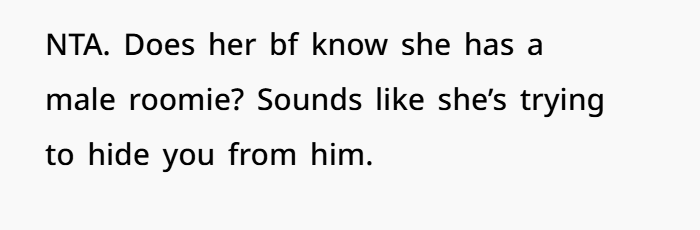
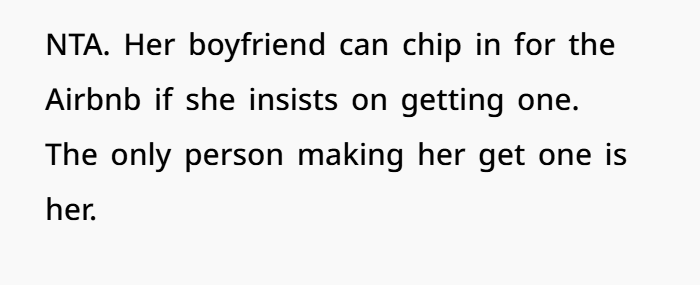
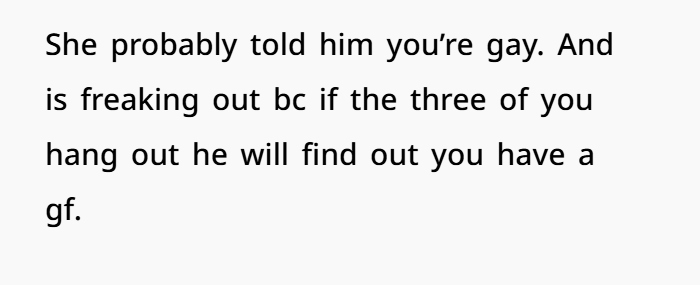
Here’s what people had to say to OP: