AITA for saying my sister can’t expect our parents to approve of her relationship? (Updated)

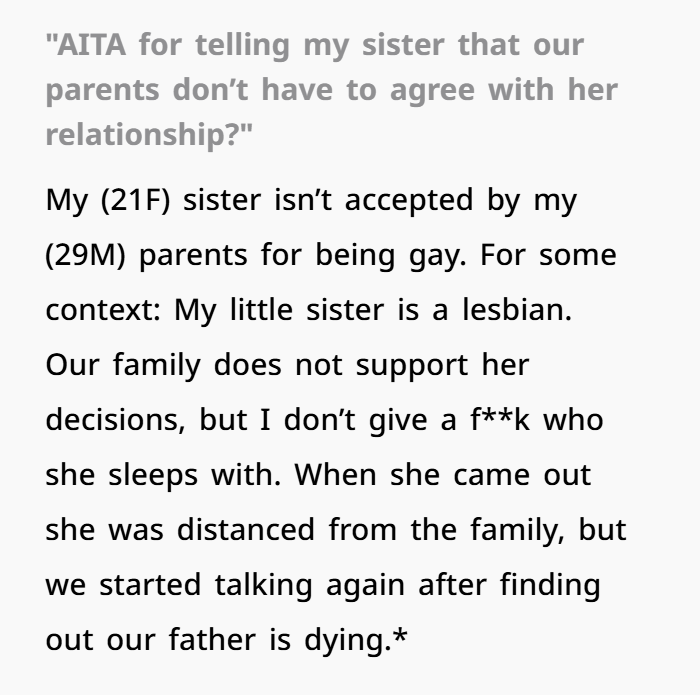
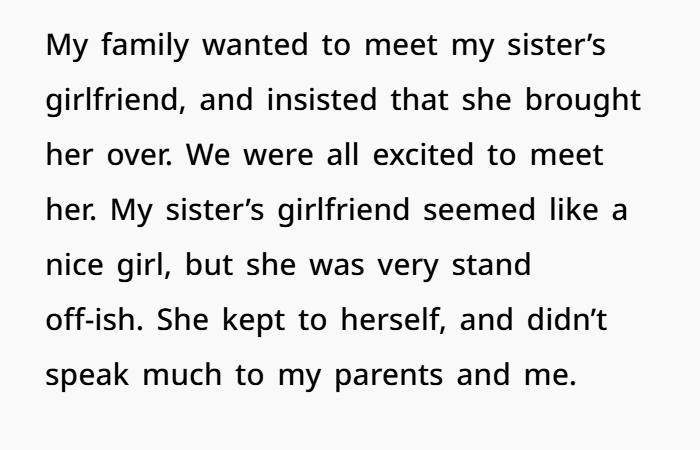
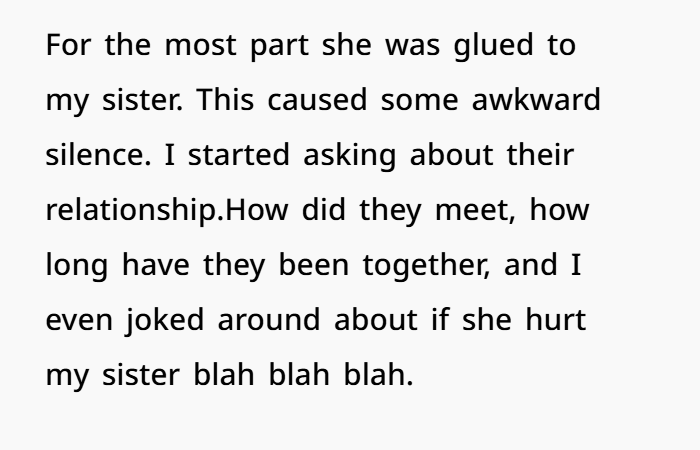
A 21-year-old woman finds herself stuck between her younger sister, who wants to feel accepted, and their parents, who refuse to accept her same-sex relationship. The family has been dealing with tension for years after the younger sister came out as a lesbian.
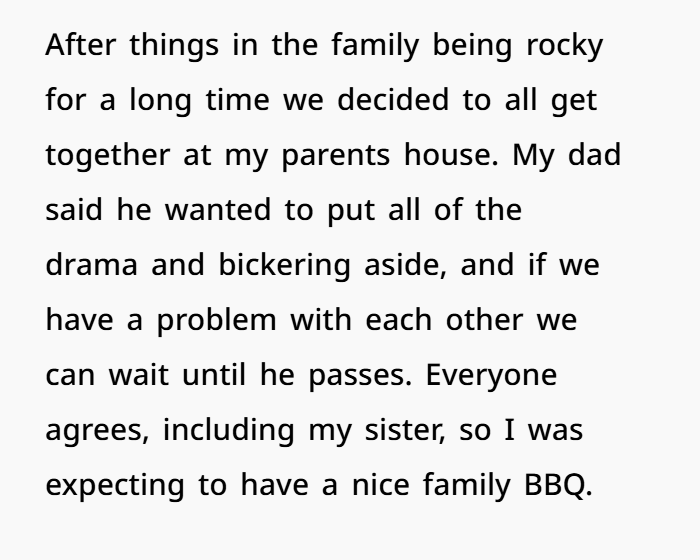
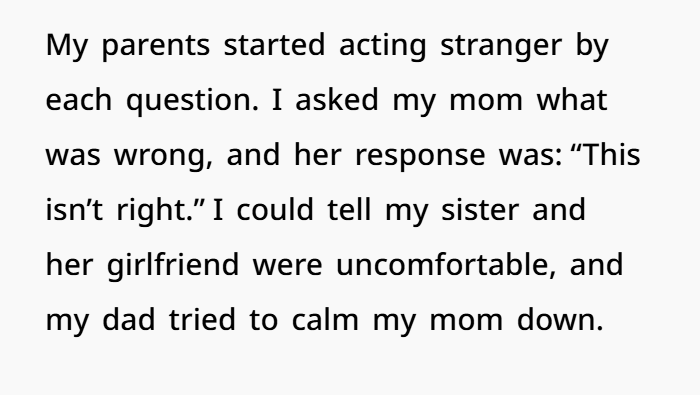
When their father’s health starts getting worse, the family decides to come together and try to move past old arguments. They hope the gathering will be calm and peaceful. But things become painful when the parents meet the sister’s girlfriend and make it clear that their feelings about the relationship have not changed.


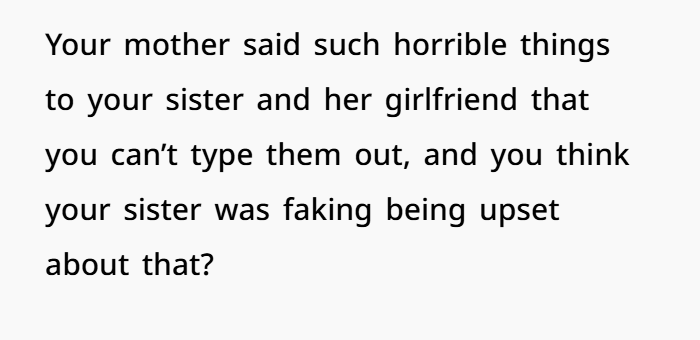
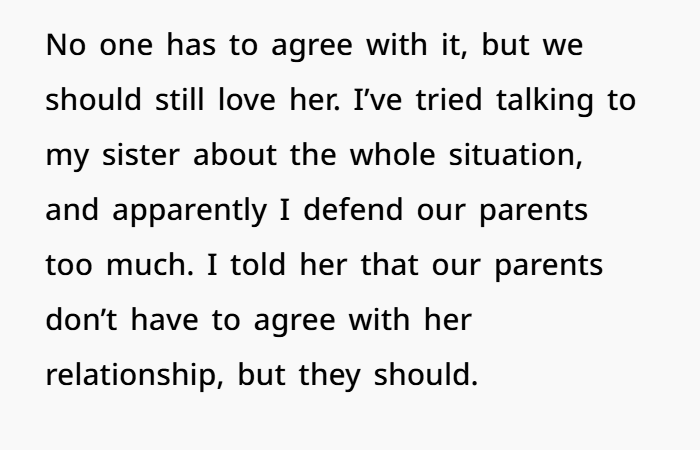
The narrator feels that the parents are allowed to have their own beliefs, but they should still treat their daughter with love, kindness, and respect. She believes family should not stop supporting someone just because they do not agree with every part of their life.
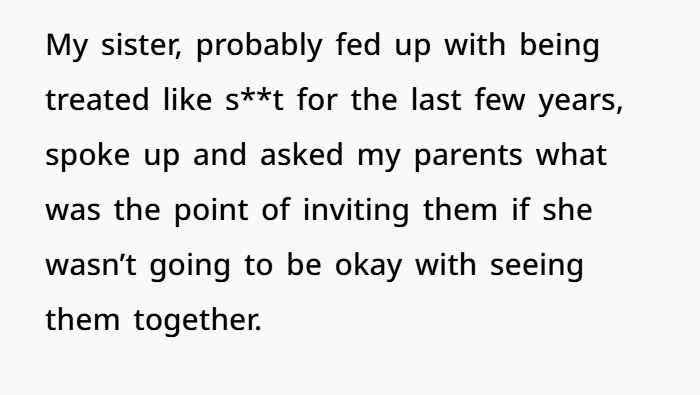
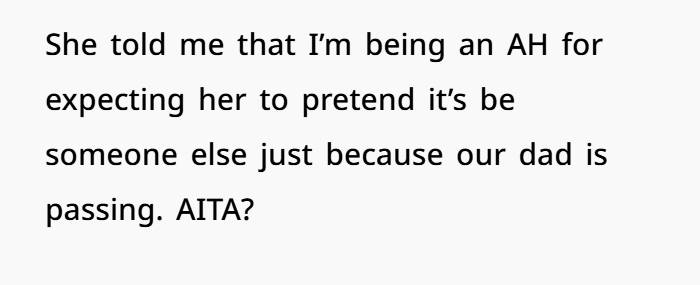
However, her sister sees things differently. She feels that being told to understand the parents’ feelings is another way of asking her to accept their judgment of who she is and the person she loves.
The situation brings up bigger questions about LGBTQ+ family acceptance, setting emotional boundaries, and what happens when love feels conditional. It also shows how staying neutral during unfair treatment can sometimes hurt the person who is already feeling rejected.
More info reddit
Family disagreements about LGBTQ+ acceptance are often about more than just relationships. They can become struggles over feeling valued, respected, and safe within a family. Research from groups like the Human Rights Campaign has shown that family rejection can deeply affect LGBTQ+ people, especially young people who depend on their families for support. Studies have connected family rejection with higher chances of depression, anxiety, and emotional stress, while supportive families are linked to better mental health.
One major part of this situation is the difference between having personal beliefs and accepting a family member. A person may have personal or religious views that do not support same-sex relationships, but experts often separate those private beliefs from how someone treats another person. Research from the American Psychological Association shows that support from family can help lower stress for LGBTQ+ individuals, while rejection and denial of their identity can lead to loneliness and emotional pain.
The sister’s point connects to a larger discussion in the LGBTQ+ community: does acceptance mean fully supporting someone’s relationship, or is showing basic respect and love enough? Many LGBTQ+ rights groups explain that treating someone’s relationship as something to simply “put up with” can still make them feel like their identity is wrong or less valuable. The idea of minority stress theory, studied by researchers like Ilan Meyer, shows how ongoing discrimination and rejection can create extra emotional pressure for people from marginalized groups.
The family is also dealing with the emotions that come with a parent’s serious illness. When someone close to death wants to bring the family back together, people often try to leave old arguments behind. However, family therapy experts explain that illness does not automatically fix years of pain. Problems that were ignored for a long time can come back during stressful moments because the hurt and unresolved feelings are still there.
The situation also connects to the wider history of LGBTQ+ relationship rights. In the United States, same-sex marriage became legally recognized nationwide after the Supreme Court decision in Obergefell v. Hodges, which gave same-sex couples the right to marry. While this was a major legal change, acceptance and support still differ between families, communities, and different parts of the country.
Stories like this have appeared in many discussions about LGBTQ+ people trying to rebuild relationships with family members who struggle with acceptance. Organizations such as PFLAG have helped families learn how to move from rejection toward better understanding through education and open conversations. Their work shows that family members do not have to understand everything right away to start showing respect, listening, and care.
At the heart of this conflict is not only whether the parents agree with the relationship. The bigger question is whether someone can have personal beliefs while still treating a loved one with full respect and kindness. The narrator tries to stay somewhere in the middle by understanding both sides, but her sister feels that this neutral position ignores the pain caused by years of rejection.
This leads to a difficult question: when someone’s identity is part of the conflict, can staying neutral really be neutral, or does it accidentally support the person who is causing the hurt?
The internet did not hold back one bit.
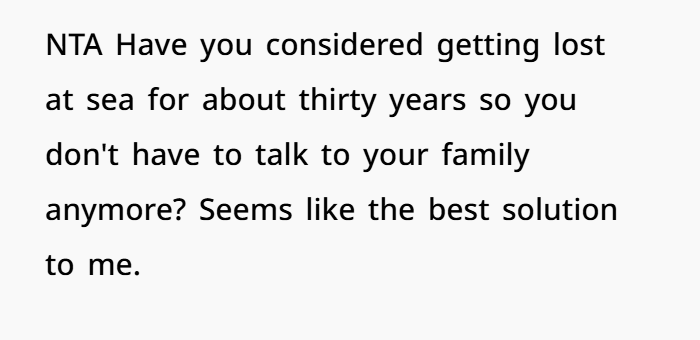
anonymool wrote:
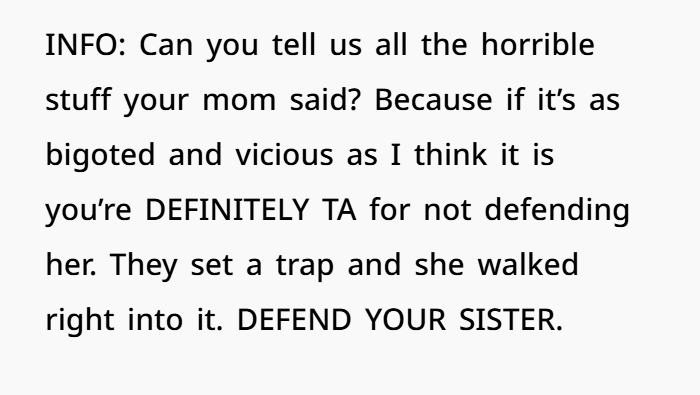
BishopGodDamnYou wrote:
ka-ka-ka-katie1123 wrote: