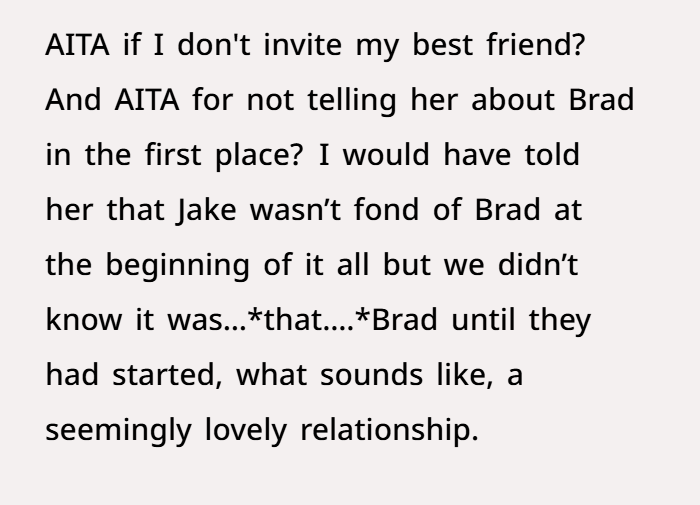
‘AITA if I don’t invite my BFF to my wedding because of what her BF did in the past?’
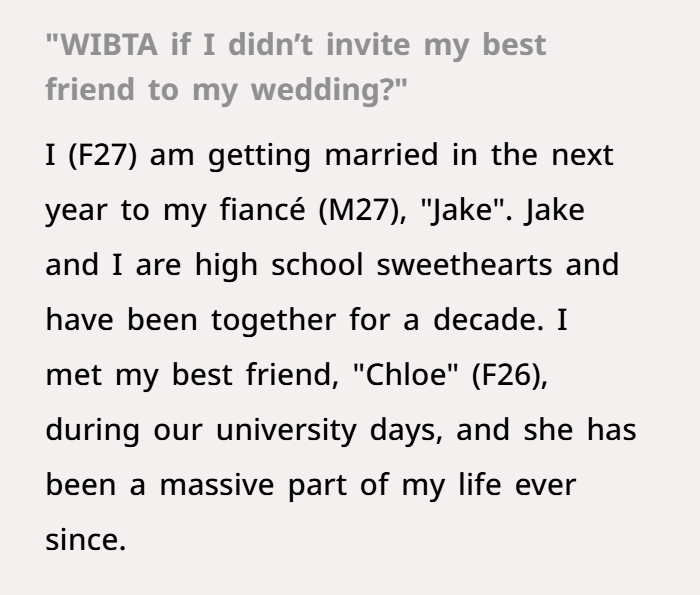
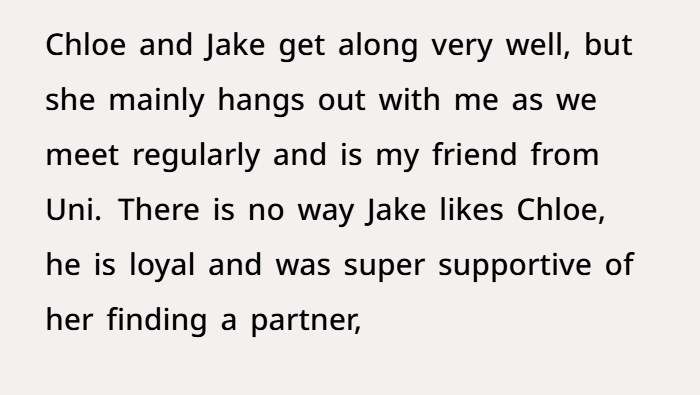
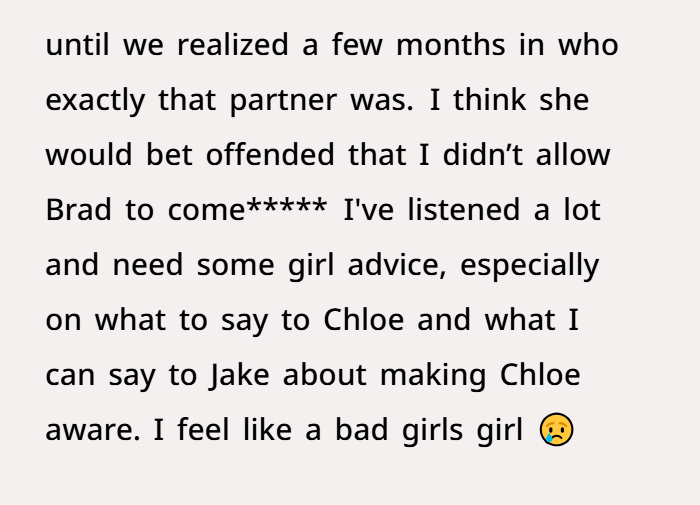
A 27-year-old woman preparing for a small wedding is facing a painful choice between two relationships that mean a lot to her. On one side is Jake, her fiancé of 10 years. On the other is Chloe, her close university friend who has become one of the most important people in her life.
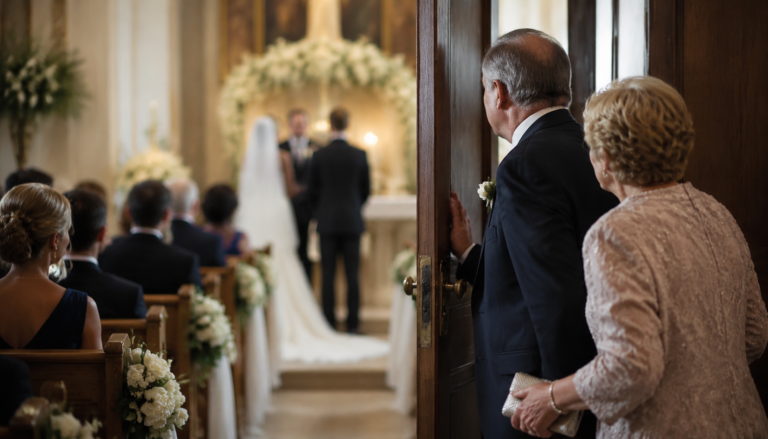
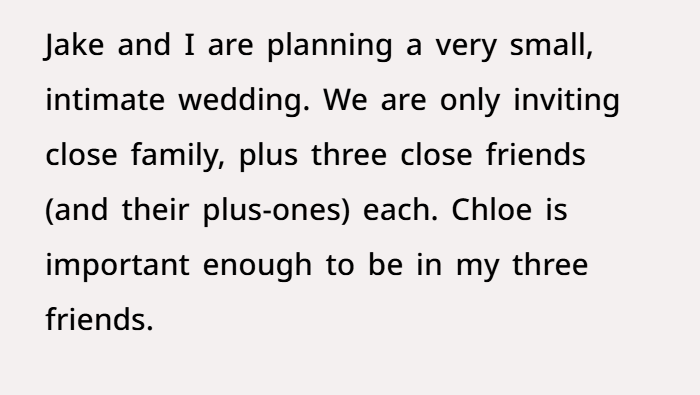
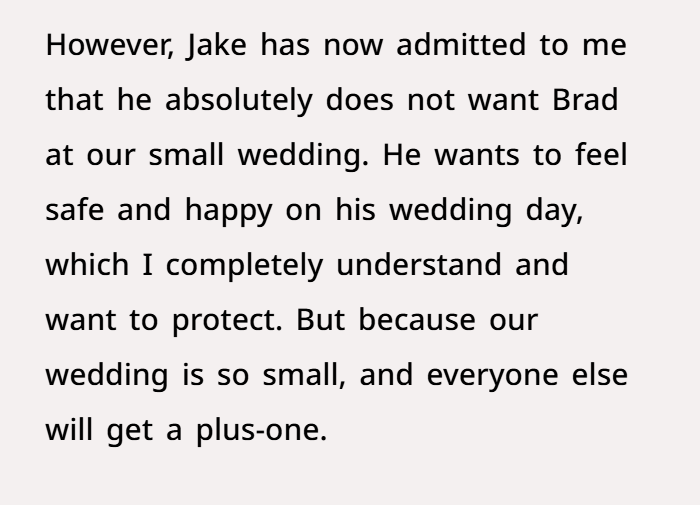
The couple wanted their wedding to be small and personal. They decided to invite only three close friends each, along with their partners. Because the guest list was so limited, every invitation had a special meaning.


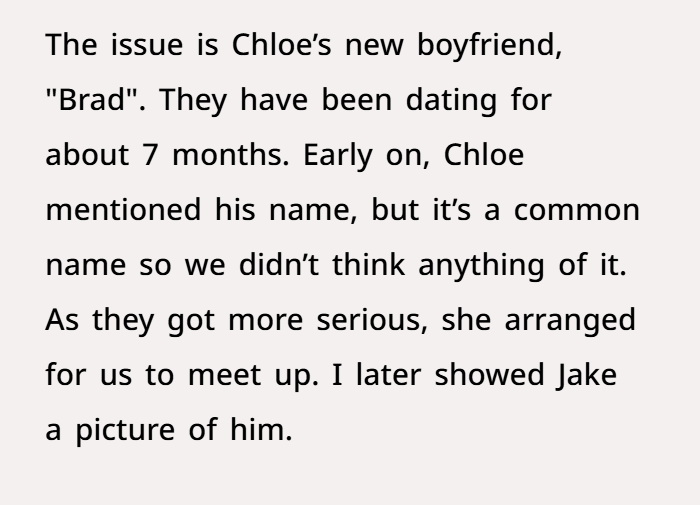
Chloe was an easy choice for the bride. She had been a big part of her life for years. But things became complicated when the bride found out that Chloe’s new boyfriend, Brad, had a difficult history with Jake.
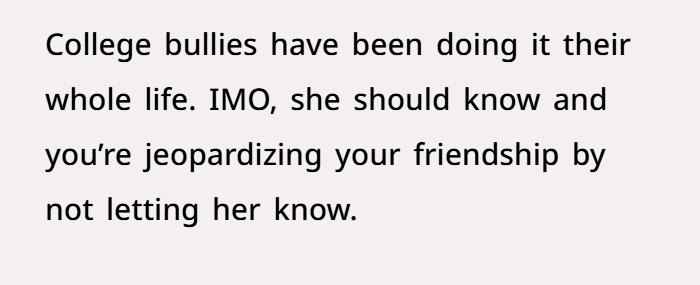
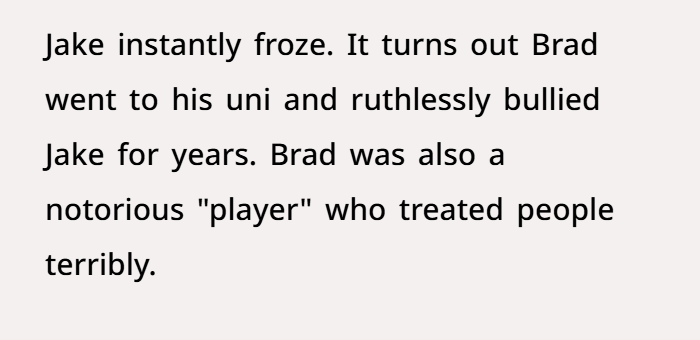
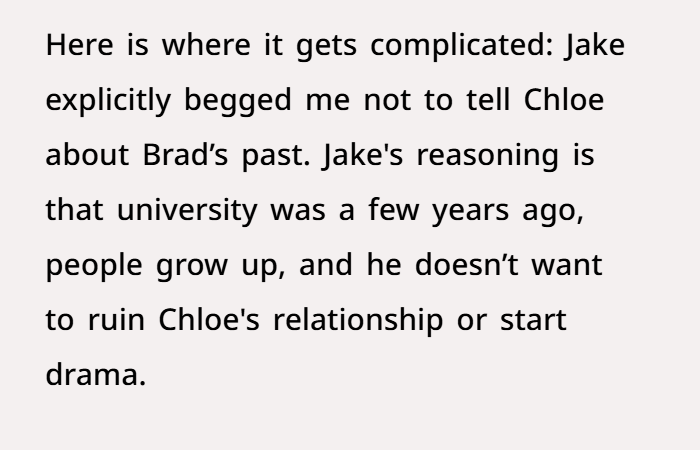
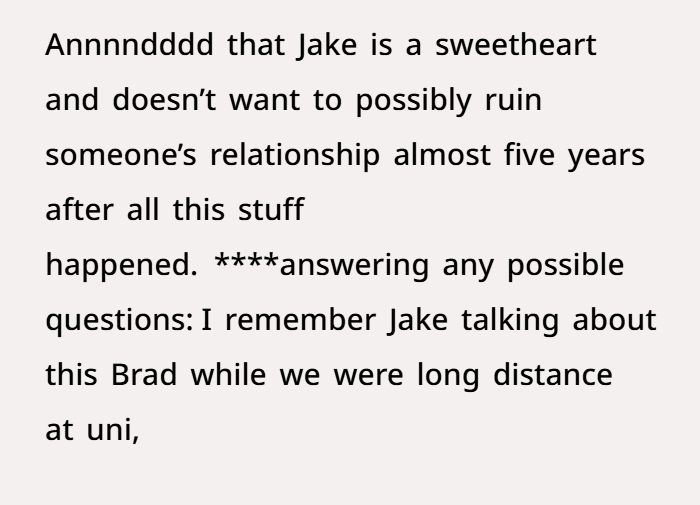
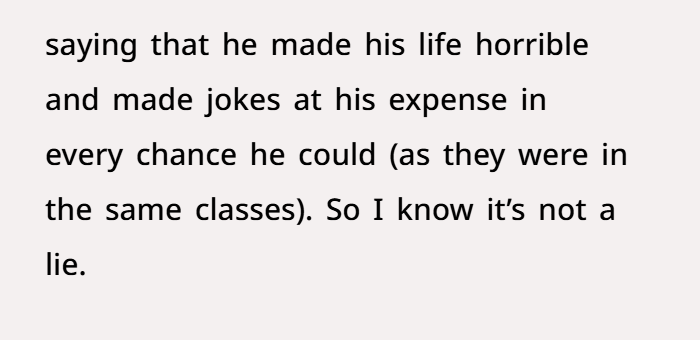
When Jake saw a photo of Brad, he instantly recognized him. He said Brad was the same person who bullied him during their university years. According to Jake, Brad often embarrassed him, made hurtful jokes about him, and was known for treating people badly.
At first, Jake did not want his fiancée to tell Chloe about what happened. He said many years had passed and he did not want to get involved in their relationship. He also did not want to ruin what seemed like a happy and healthy connection between Chloe and Brad.
But later, Jake admitted that he would struggle to enjoy their wedding day if Brad was there. Having someone who caused him so much pain in the past at such an important moment felt impossible for him.
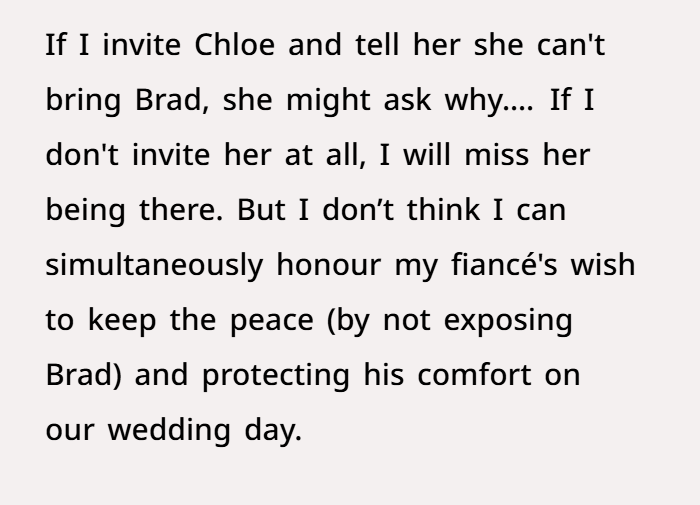
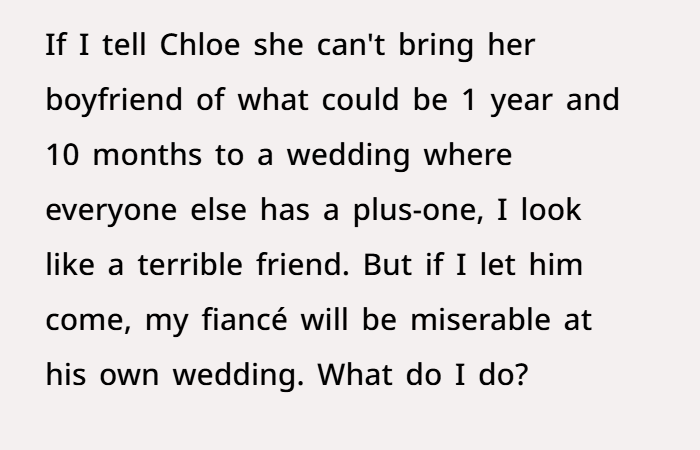
Now the couple is stuck in a difficult situation. Should the bride protect her fiancé’s feelings and emotional safety, even if it hurts her close friendship with Chloe? Or should Chloe have the chance to know about Brad’s past and decide for herself?
The situation brings up bigger questions about wedding guest choices, relationship boundaries, friendship loyalty, and how couples handle painful conflicts. It shows how complicated things can become when love, trust, and old wounds all meet in the same place.
more info on reddit
Small weddings can bring a lot of emotional pressure because every guest choice feels personal. In a big wedding, one uncomfortable guest might go unnoticed. But in a small, intimate ceremony, every person in the room matters, and old conflicts can have a much bigger impact on the couple’s special day.
Many wedding experts say couples have the right to set their own guest boundaries. A wedding is about celebrating a couple’s commitment and creating a comfortable environment for them, not about making sure every friend’s expectations are met.
In this situation, the real question is not just whether Brad should be forgiven for something that happened years ago. The bigger issue is whether Jake should have to spend one of the most important days of his life sitting near someone who reminds him of a painful time in his past.
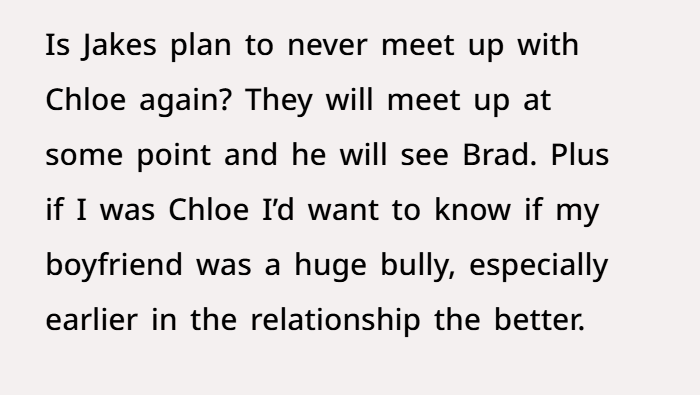
Bullying can leave emotional scars that last for years. People who experience repeated humiliation may struggle with confidence, anxiety, and painful memories even after the situation has ended. Research from groups like the American Psychological Association has explored how bullying can continue affecting mental health long after the original events.
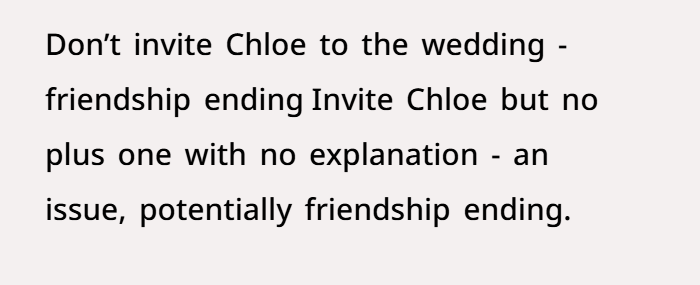
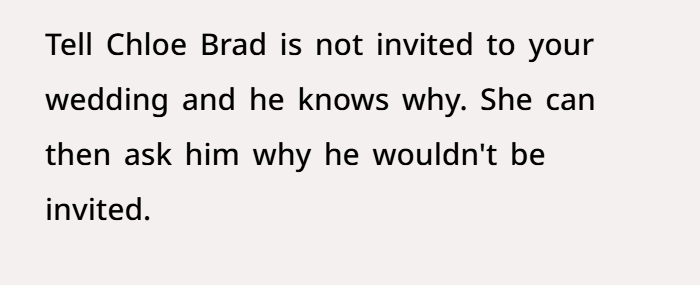
But things become harder because Chloe does not know what happened between Brad and Jake. From her point of view, she is dating someone who seems kind and makes her happy. If Brad is suddenly removed from the guest list without any explanation, Chloe may feel hurt or confused. She might believe her friendship is being questioned or that her relationship is being judged unfairly.
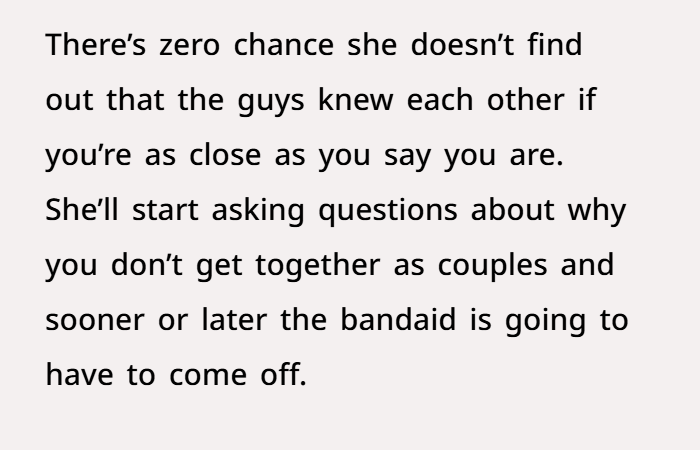
Strong friendships usually depend on honest conversations, especially when major life events are involved. Avoiding a difficult discussion may seem easier at first, but it can create bigger problems and more resentment later.
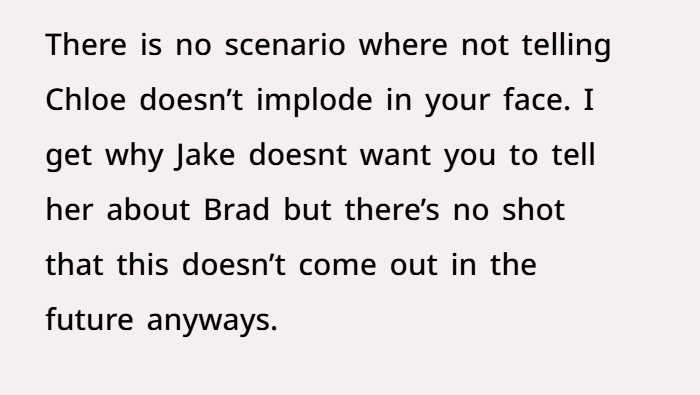
One of the biggest questions is whether Jake’s choice to stay quiet is really protecting Chloe or taking away her chance to make her own decision. Jake may not want to ruin her happiness, but hiding important information about someone’s past can create trust issues. Many relationship experts believe people should have the chance to consider important facts when making choices about their own relationships.
Similar issues have appeared in legal situations involving reputation, privacy, and sharing information about someone’s past. In general, the law often separates truthful statements from false claims. Sharing accurate information for a genuine reason is treated differently from spreading false accusations meant to harm someone’s reputation. Resources like Cornell Law School’s Legal Information Institute explain that truth and intent are major factors in reputation-related disputes.
Another thing to consider is whether Brad has changed. People can grow and become different from who they were when they were younger. Someone who acted badly in university may not behave the same way years later. Young adulthood is often a time when people’s attitudes, values, and personalities continue to develop.
At the same time, personal growth does not erase the hurt someone caused. If Brad has truly changed, that growth should include taking responsibility for his past actions. Jake’s feelings should not be ignored simply because many years have passed.
The best way forward may be an honest and careful conversation instead of secretly excluding Brad or forcing him to attend. Jake’s feelings matter because it is his wedding too. But Chloe’s friendship matters as well because she is an important person in the bride’s life.
A calm conversation where Jake explains what happened, without telling Chloe what choice she has to make, could give her the information she needs. She can then decide how she feels about Brad and their relationship.
In the end, this situation is about much more than a wedding invitation. It is about finding the balance between supporting your partner, being honest with friends, and setting healthy relationship boundaries. Good conflict resolution comes from listening, showing respect, and protecting emotional well-being without ignoring the people who matter most.
Relevant keywords: wedding guest etiquette, wedding planning advice, relationship boundaries, emotional trauma recovery, conflict resolution strategies, friendship and marriage advice, bullying psychological effects, couples communication, reputation and legal rights, relationship counseling.
Let’s see what commenters had to say.