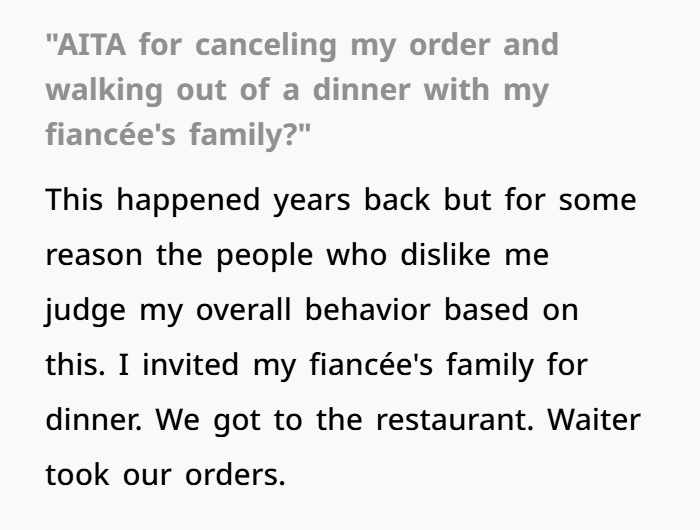
‘AITA for canceling my order and walking out of a dinner with my fiancée’s family?’
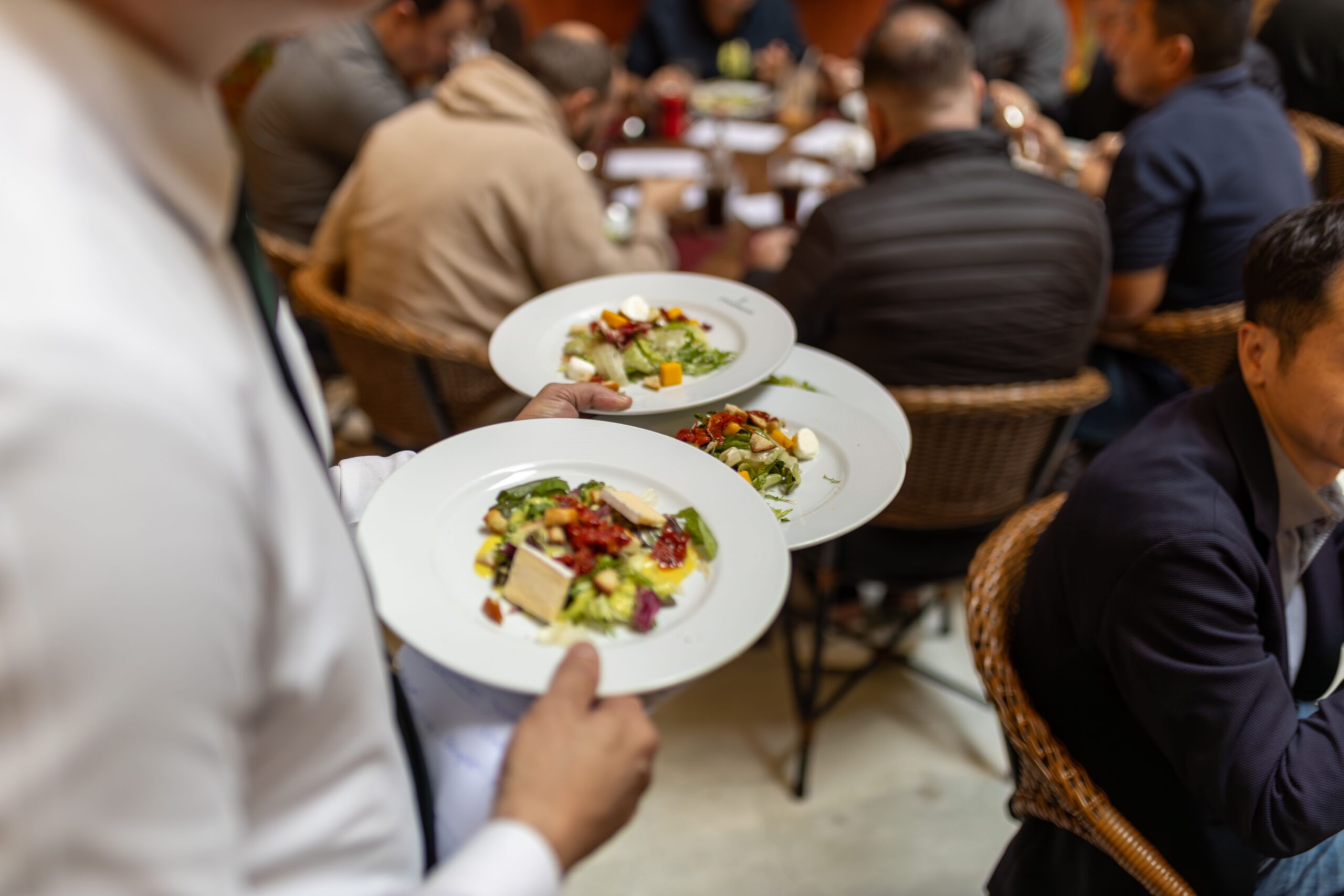
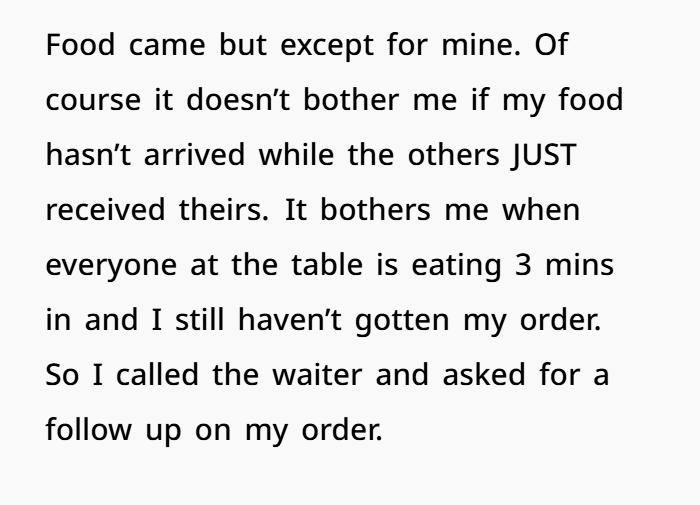
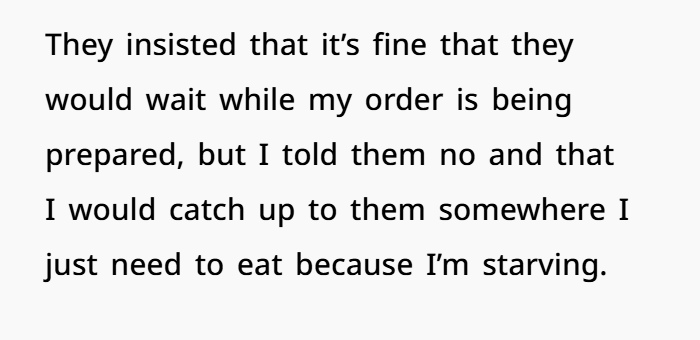
People are often taught to be patient and think about others at the dinner table, especially during family meals or special events. But when you pay to eat at a restaurant, you also expect good service. In this case, a dinner with an ex-fiancée’s family took an unexpected turn. Everyone else at the table got their food and started eating, but one person’s meal never arrived. At first, it seemed like a small delay. Then, more than 20 minutes later, the restaurant staff admitted they had not even started making the order.
Instead of getting angry or making a big scene, the guest calmly cancelled the meal, paid the bill for everyone else, and left for a while to buy food somewhere else. The restaurant later offered the meal for free, and some family members asked him to wait a little longer. But by then, he had already made his decision.


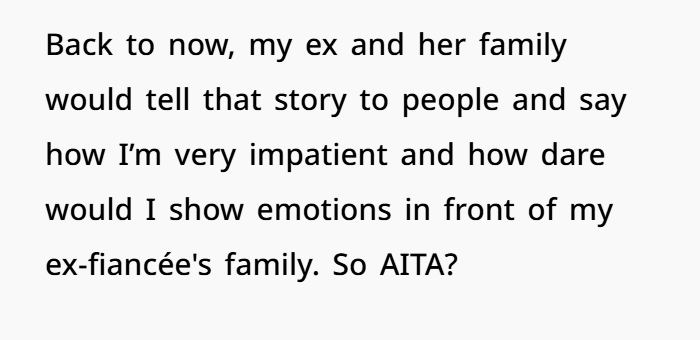
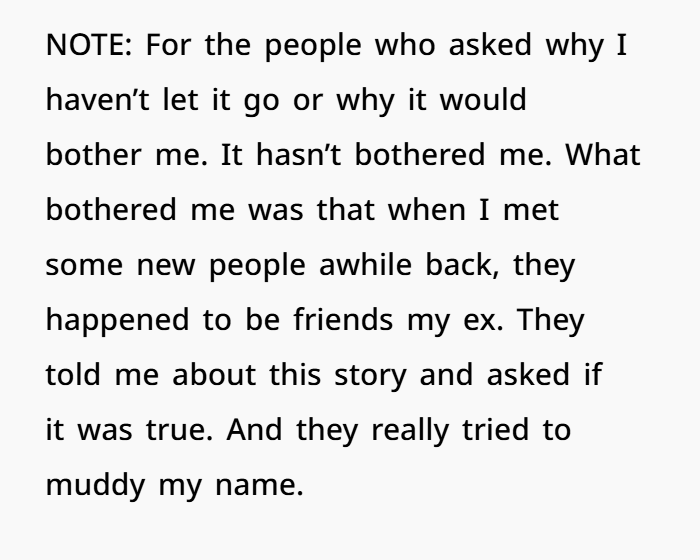
Even years later, some people still use this story as an example of impatience and poor emotional control. That raises an interesting question. Is it really rude to leave after such poor restaurant service, or is it simply a fair response from a paying customer?
The situation also brings up bigger questions about customer rights, restaurant service standards, family expectations during social gatherings, and how one moment can shape someone’s reputation for years, even when the full story is often overlooked.
more info on reddit
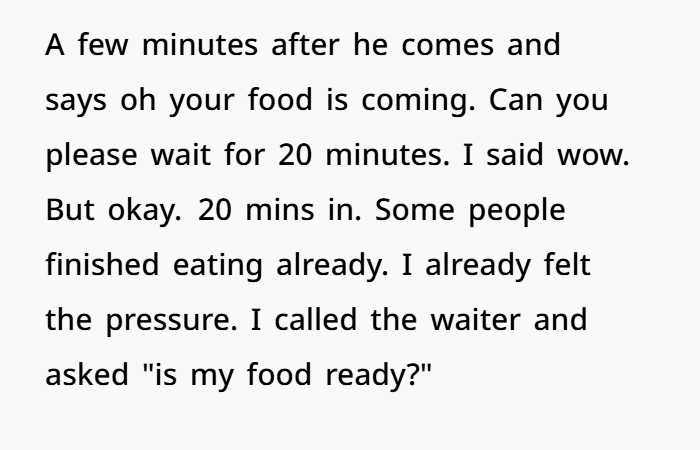
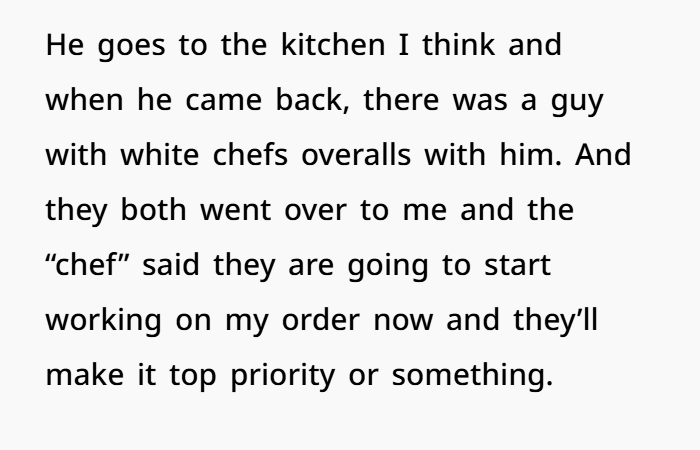
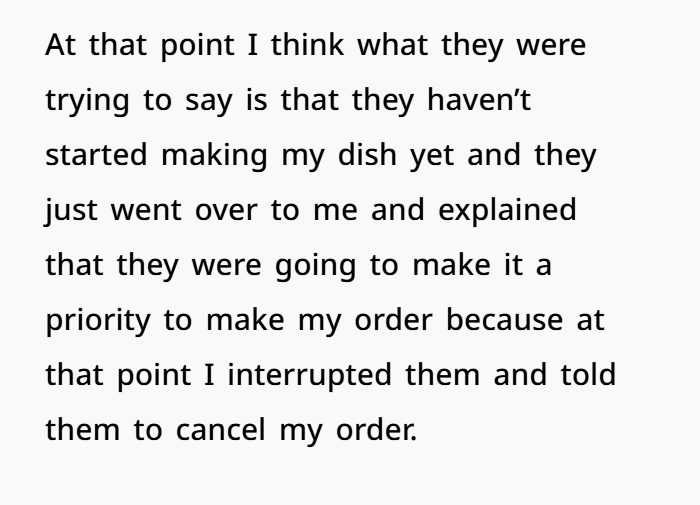
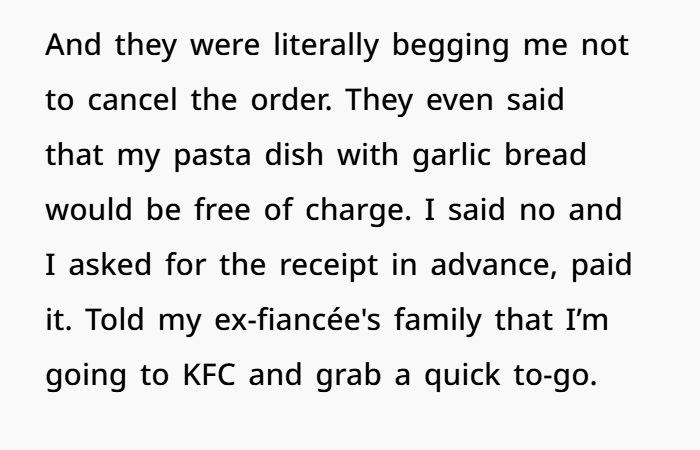
Waiting a little while for food is normal at most restaurants. But there is a limit. Research shows that long delays are one of the biggest reasons customers leave unhappy. When people wait too long for their meals, they are much less likely to come back. In the restaurant business, delays like these are seen as service mistakes, not just small inconveniences.
A study on customer complaints found that waiting too long for food can have a big effect on how people feel about their dining experience and whether they return in the future.
Restaurant experts also say that handling mistakes the right way is a key part of good customer service. If food is delayed, staff should explain what happened, give an honest update, and offer a fair solution. That could mean speeding up the order, offering something free, or giving a refund if needed.
Being honest is especially important when an order has been forgotten or never reached the kitchen. Customers are not expected to wait forever for food that has not even started being prepared.
People who work in hospitality also point out that there is nothing wrong with making a polite complaint. Customers have every right to speak up when the service is not meeting normal standards. There is a big difference between calmly explaining a problem and treating restaurant staff badly.
Asking where your food is, cancelling the order, or turning down a free meal are all reasonable choices when they are done respectfully.
Family dinners can make these situations even more awkward. Many people feel pressure to stay quiet so they do not make others uncomfortable, especially when spending time with future in-laws or extended family.
But trying to keep the peace should not mean ignoring your own basic needs or accepting poor service. Sitting hungry while everyone else finishes eating can be uncomfortable too. That kind of situation creates its own pressure.
In this case, there is nothing to suggest the person behaved badly. He did not shout at anyone, insult the staff, ask for money, or tell the rest of the group to leave with him.
Instead, he calmly explained his decision, paid the bill for the others, and went somewhere else to get food. The rest of the group was free to enjoy the evening without any interruption. From both a customer service and hospitality point of view, those actions look more like avoiding conflict than losing control.
Today’s restaurant standards also accept that customers may cancel an order after an unreasonable delay. Businesses are expected to provide the service they promised within a reasonable amount of time. If they fail to do that, cancelling the order is a normal response.
Experts also say that timing matters when fixing a service problem. If the restaurant had admitted right away that the kitchen was running behind or that the order had been missed, the customer would have known what was happening and could have decided what to do.
Instead, the staff kept saying the food would arrive soon. Later, they admitted the meal had not even been started. Sadly, that poor communication made the situation much worse.
Looking back, the most interesting part of this story is not the cancelled meal. It is how the story has been remembered.
Years later, some people still point to that night as proof that the person was impatient, even though there is no sign that he acted rudely or caused a scene. It turns out that people’s reputations are often shaped more by the way stories are repeated than by what actually happened. When old family conflicts or past relationships are involved, the full context can easily get lost.
Key Takeaways
- Customers have the right to politely cancel a restaurant order if the wait becomes unreasonable.
- Calmly speaking up about poor service is not the same as being disrespectful.
- Good hospitality depends on honest communication and quick action when mistakes happen.
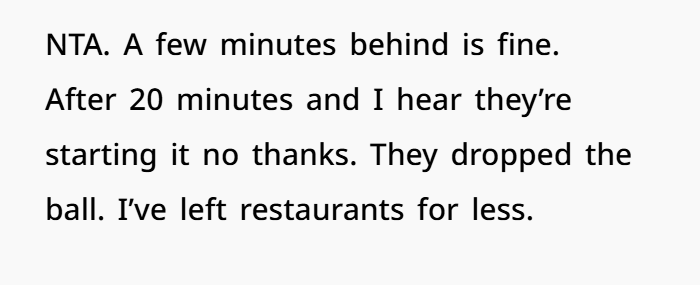
- Leaving without creating an argument is usually seen as a reasonable response to poor restaurant service.
- Social pressure should not force someone to accept bad service or stay hungry.
- Years later, people often remember the story they heard instead of the facts that actually happened.
Relevant search terms: restaurant customer rights, restaurant service complaint, customer satisfaction standards, hospitality management, dining etiquette, restaurant compensation policy, customer service dispute, consumer protection laws, conflict resolution strategies, family relationship conflicts, emotional intelligence in relationships.
Here’s what people had to say to OP:
WebAcceptable7932 said:
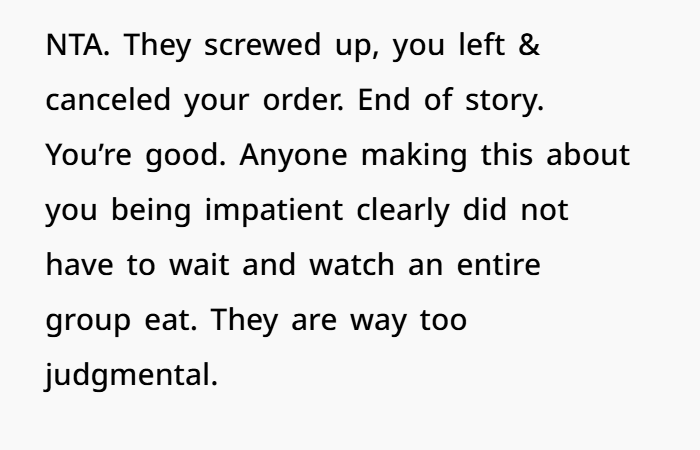
Otan781012 said:
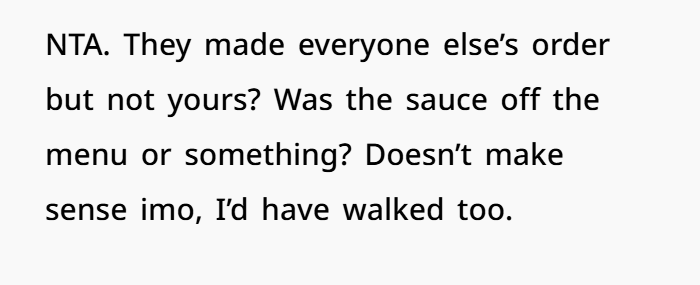
photogcapture said: